









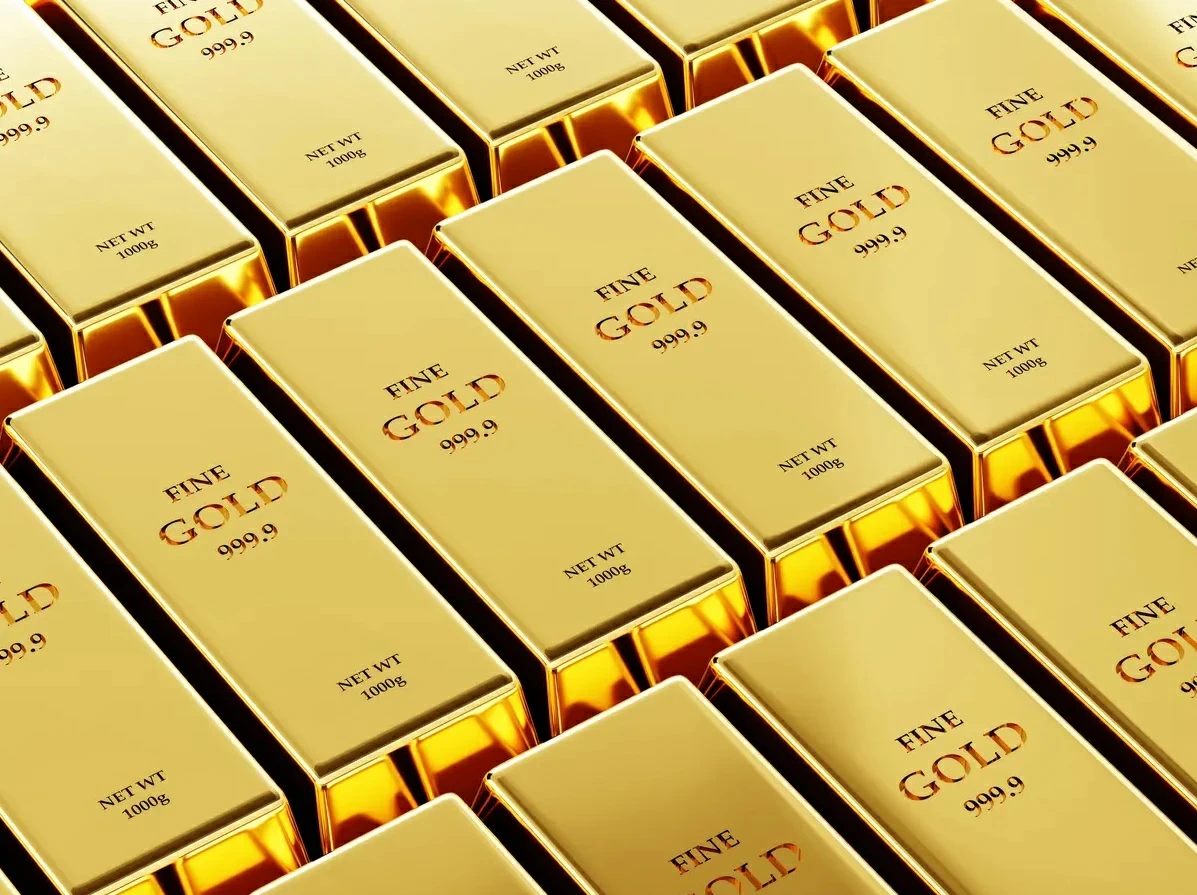
تراجعت أسعار الذهب خلال تداولاتها اليوم (الثلاثاء) متأثرة بمخاوف ارتفاع التضخم بعد أن أدى تجدد التوتر بين الولايات المتحدة وإيران إلى ارتفاع أسعار خام برنت وإلى إلقاء ظلال من الشك على توقعات أسعار الفائدة الأمريكية.
وانخفض الذهب في المعاملات الفورية 1.1% إلى 4,521.80 دولار للأوقية، وظلت العقود الأمريكية الآجلة للذهب تسليم يونيو دون تغيير عند 4,522.50 دولار.
وقال المحلل في «أكتيف تريدز» ريكاردو إيفانجليستا: «أدى عدم اليقين إلى ارتفاع أسعار النفط، مما زاد من مخاوف التضخم وعزز توقعات التشديد النقدي من مجلس الاحتياطي الاتحادي (البنك المركزي الأمريكي) وشكل عائقا أمام الذهب الذي لا يدر عادا».
وأضاف: «سيظل المتعاملون يركزون على المحادثات بين الولايات المتحدة وإيران، مع ترقبهم في الوقت نفسه لإصدار بيانات التضخم في مؤشر نفقات الاستهلاك الشخصي في الولايات المتحدة».
وارتفعت أسعار خام برنت بشكل حاد بعد أن شن الجيش الأمريكي غارات على إيران، مما أضعف الآمال في التوصل إلى حل سريع للصراع في الشرق الأوسط.
وقال وزير الخارجية الأمريكي ماركو روبيو اليوم (الثلاثاء) إن التفاوض على اتفاق مع إيران ربما «يستغرق بضعة أيام».
ويمكن أن يؤدي ارتفاع أسعار النفط الخام إلى زيادة التضخم وإبقاء أسعار الفائدة مرتفعة لفترة أطول. وفي حين ينظر إلى الذهب على أنه وسيلة للتحوط ضد التضخم، فإن ارتفاع أسعار الفائدة عادة ما يؤثر سلبا على المعدن الذي لا يدر عائدا.
وارتفع إنتاج الصين اليومي من الألمنيوم، وهي بالفعل أكبر منتجة في العالم، إلى مستوى قياسي بلغ 129 ألف طن الشهر الماضي، وفقاً لبيانات رسمية.
Gold prices fell during today’s trading (Tuesday), affected by concerns over rising inflation after renewed tensions between the United States and Iran led to an increase in Brent crude prices and cast doubt on U.S. interest rate forecasts.
Gold dropped 1.1% in spot transactions to $4,521.80 per ounce, while U.S. gold futures for June remained unchanged at $4,522.50.
Ricardo Evangelista, an analyst at “ActivTrades,” said: “Uncertainty has led to rising oil prices, which has increased inflation fears and bolstered expectations of monetary tightening from the Federal Reserve (the U.S. central bank), posing a barrier to gold, which does not yield returns.”
He added: “Traders will continue to focus on the talks between the United States and Iran, while also looking forward to the release of inflation data in the U.S. personal consumption expenditures index.”
Brent crude prices sharply increased after the U.S. military launched airstrikes on Iran, weakening hopes for a quick resolution to the conflict in the Middle East.
U.S. Secretary of State Marco Rubio said today (Tuesday) that negotiating an agreement with Iran could “take a few days.”
Rising crude oil prices could lead to increased inflation and keep interest rates elevated for a longer period. While gold is viewed as a hedge against inflation, rising interest rates typically have a negative impact on the non-yielding metal.
China’s daily aluminum production, already the largest in the world, reached a record level of 129,000 tons last month, according to official data.