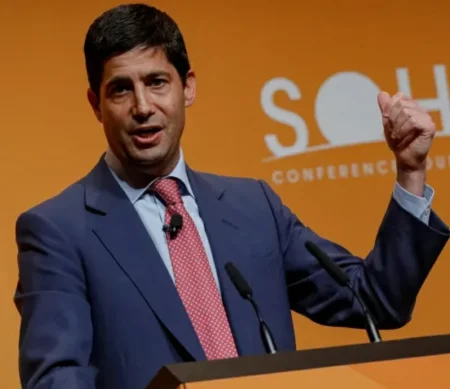










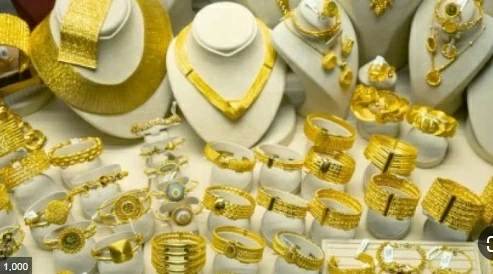
كشف رئيس شؤون الشرق الأوسط والسياسات العامة في مجلس الذهب العالمي أندرو نايلور أن تأثير الأسعار المرتفعة للذهب على أحجام مبيعات المجوهرات كان واضحاً، إذ انخفض الطلب العالمي على المجوهرات بنسبة 23% ليصل إلى 300 طن في الربع الأول 2026.
وقال نايلور، في لقاء مع “أرقام” إن التراجع شمل عدداً من الأسواق الرئيسية، إذ انخفض الطلب في الصين بنسبة 32%، وفي الهند بنسبة 19%، وفي الشرق الأوسط بنسبة 23%، مبيناً أن هذه الأرقام تعكس مدى حساسية الاستهلاك تجاه الارتفاع الحاد في أسعار الذهب.
وأشار إلى أن قيمة الإنفاق على المجوهرات ارتفعت رغم ذلك إلى مستوى قياسي بلغ 47 مليار دولار خلال الربع الأول، وهو أعلى مستوى على الإطلاق، موضحاً أن ذلك يعني أن المستهلكين لم يتخلوا عن الذهب، لكنهم أصبحوا أكثر انتقائية في الشراء.
تدفقات استثمارية
ولفت إلى أن جزءاً من الطلب في أسواق مثل الصين والهند تحوّل نحو السبائك والعملات، إذ يؤدي الذهب دوراً مزدوجاً باعتباره زينة وأداة استثمارية في الوقت نفسه.
وفيما يتعلق بحركة الأسعار، قال نايلور إن التراجع الأخير في أسعار الذهب عقب بلوغها مستوى قياسياً تاريخياً عند 5.405 دولارات للأوقية في يناير 2026، يعد أقرب إلى تصحيح طبيعي بعد موجة صعود قوية، وليس مؤشراً على انعكاس هيكلي في اتجاه السوق.
وأضاف أن الارتفاعات السابقة جاءت مدفوعة بتدفقات استثمارية كبيرة، وتصاعد التوترات الجيوسياسية، واستمرار الضغوط التضخمية، إضافة إلى الطلب القوي من البنوك المركزية، مبيناً أن هذه العوامل لا تزال قائمة بقوة.
تصحيح محدود
وأشار إلى أن ارتفاع مستويات التقلب كان متوقعاً في ظل حالة عدم اليقين العالمية، موضحاً أن الحركة الأخيرة في الأسعار تبدو تصحيحاً محدوداً ضمن سوق مدعومة بعوامل قوية، وليست بداية لاتجاه هبوطي جديد.
وفيما يخص طلب البنوك المركزية على الذهب، قال نايلور إن الاستطلاع السنوي لاحتياطيات الذهب لدى البنوك المركزية، الذي أجراه مجلس الذهب العالمي، يشير إلى استمرار الزخم القوي في الطلب الرسمي على الذهب، إذ أفاد أن 89% من مديري الاحتياطيات يتوقعون زيادة حيازات البنوك المركزية العالمية من الذهب خلال الأشهر الـ12 القادمة.
Andrew Naylor, the Head of Middle East Affairs and Public Policy at the World Gold Council, revealed that the impact of high gold prices on jewelry sales volumes was evident, as global demand for jewelry fell by 23% to reach 300 tons in the first quarter of 2026.
Naylor stated in an interview with “Argaam” that the decline affected several major markets, with demand in China dropping by 32%, in India by 19%, and in the Middle East by 23%, indicating that these figures reflect the sensitivity of consumption to the sharp rise in gold prices.
He pointed out that the value of spending on jewelry, however, rose to a record level of $47 billion during the first quarter, the highest level ever, explaining that this means consumers have not abandoned gold, but have become more selective in their purchases.
Investment Flows
He noted that part of the demand in markets such as China and India has shifted towards bullion and coins, as gold serves a dual role as both adornment and an investment tool.
Regarding price movements, Naylor said that the recent decline in gold prices after reaching a historic record of $5,405 per ounce in January 2026 is closer to a natural correction following a strong upward trend, rather than an indication of a structural reversal in market direction.
He added that previous increases were driven by significant investment flows, rising geopolitical tensions, ongoing inflationary pressures, and strong demand from central banks, noting that these factors remain robust.
Limited Correction
He indicated that the rise in volatility levels was expected amid global uncertainty, clarifying that the recent price movement appears to be a limited correction within a market supported by strong factors, and not the beginning of a new downward trend.
Regarding central banks’ demand for gold, Naylor stated that the World Gold Council’s annual survey of gold reserves held by central banks indicates a continued strong momentum in official demand for gold, as it reported that 89% of reserve managers expect an increase in global central bank gold holdings over the next 12 months.