







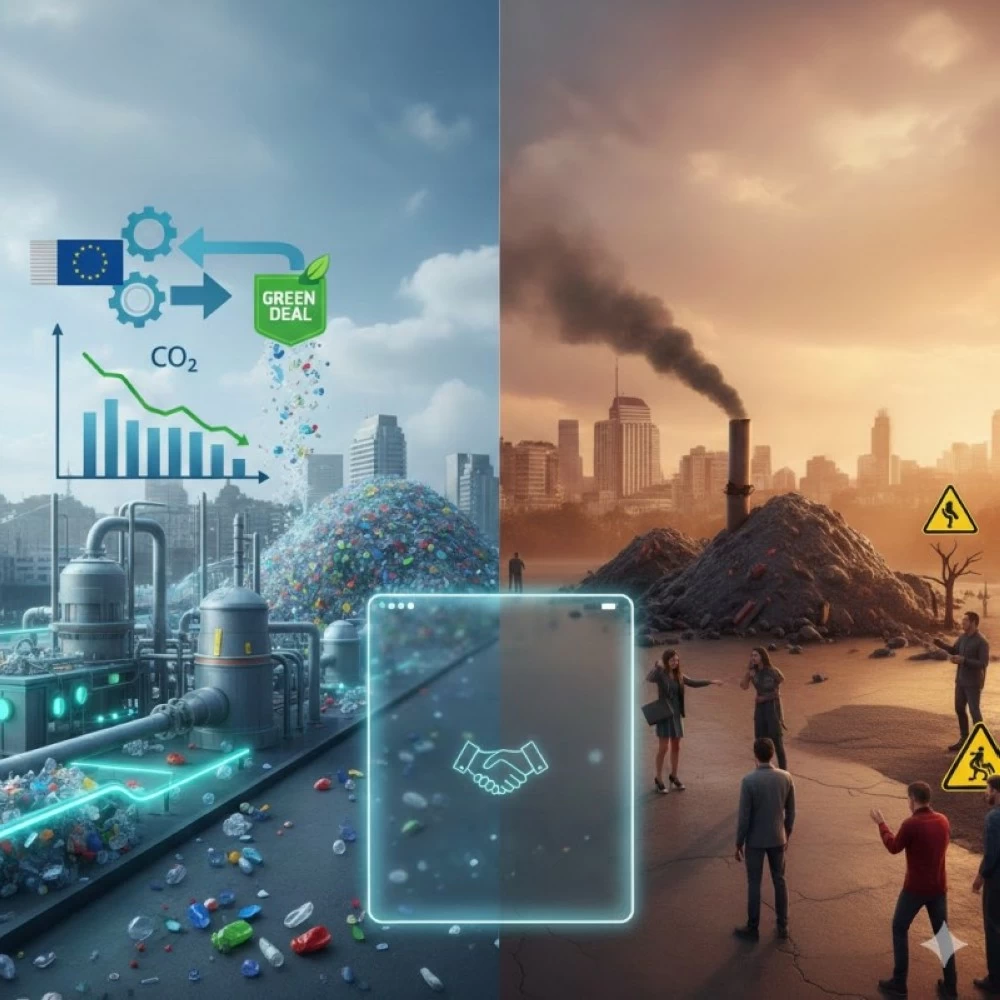
أقرّ الاتحاد الأوروبي أمس الأول (الجمعة)، إعادة التدوير الكيميائية للبلاستيك التي ترى فيها الجهات المعنية بالقطاع أداة فاعلة للحدّ من انبعاثات ثاني أكسيد الكربون، رغم عدم اقتناع البعض بهذه التقنية خشية عواقبها البيئية وبسبب تكلفتها العالية.
ووافقت الدول الـ27 الأعضاء في الاتحاد الأوروبي على إدراج إعادة التدوير الكيميائية ضمن النسبة الإلزامية للمحتوى المعاد تدويره في العلب البلاستيكية، إضافة إلى طريقة حساب هذه النسبة.
وفي الوقت الراهن يجب أن تحتوي العلب على 25% على الأقل من البلاستيك المعاد تدويره، وسترتفع هذه النسبة إلى 30% بحلول 2030.
وقد اقترحت المفوضية الأوروبية إدراج إعادة التدوير الكيميائية ضمن الأدوات المعتمدة في هذا النص التشريعي.
ووصفت الناطقة باسم المفوضية آنا كايسا إيتكونن هذا الإدراج بأنه «خطوة أولى مهمة نحو وضع قواعد لإعادة التدوير الكيميائية على مستوى الاتحاد الأوروبي».
وقبل بدء المحادثات، أثار غياب التوافق على جدول أعمال الاجتماع قلق المستثمرين إزاء المخاطر الجيوسياسية، إذ أرادت إيران أن تقتصر المحادثات على الملف النووي، بينما أرادت الولايات المتحدة مناقشة نظام الصواريخ البالستية الإيراني وتقديمها الدعم لجماعات مسلحة في المنطقة.
The European Union approved on Friday the chemical recycling of plastics, which stakeholders in the sector see as an effective tool to reduce carbon dioxide emissions, despite some skepticism about this technology due to environmental concerns and its high costs.
The 27 member states of the European Union agreed to include chemical recycling within the mandatory percentage of recycled content in plastic containers, as well as the method for calculating this percentage.
Currently, containers must contain at least 25% recycled plastic, and this percentage will increase to 30% by 2030.
The European Commission proposed to include chemical recycling among the approved tools in this legislative text.
The spokesperson for the Commission, Anna-Kaisa Itkonen, described this inclusion as “an important first step towards establishing rules for chemical recycling at the EU level.”
Before the talks began, the lack of consensus on the meeting’s agenda raised concerns among investors regarding geopolitical risks, as Iran wanted the discussions to be limited to the nuclear file, while the United States wanted to discuss Iran’s ballistic missile program and provide support to armed groups in the region.