







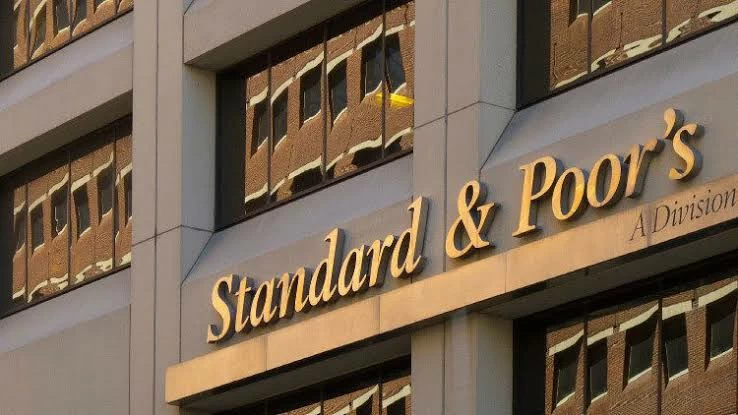
كشفت وكالة «ستاندرد أند بورز» أن السعودية ستظل أكبر أسواق التأمين الإسلامي في الخليج، إذ مثلت السعودية نحو 89% من إجمالي إيرادات القطاع في 2025 بانخفاض طفيف بنحو 91% في 2024. ويعكس هذا تباطؤ نمو الإيرادات إلى 9.6% في 2025 مقارنة بـ11.4% في 2024 و27% في 2023 نتيجة زيادة المنافسة، إلا أن نتائج النصف الأول من 2026 أظهرت تسارع نمو الإيرادات إلى نحو 14% على أساس سنوي.
إيرادات القطاع
وتوقعت «ستاندرد أند بورز» في تقرير لها، أن يحقق قطاع التأمين الإسلامي في دول مجلس التعاون الخليجي نموًا يتراوح بين 10% و12% خلال عام 2026، رغم تداعيات الحرب في الشرق الأوسط، مدعوما باستمرار الطلب على التأمين الإلزامي للمركبات والتأمين الطبي، إلى جانب استمرار تنفيذ مشاريع البنية التحتية.
وأشارت إلى أن إيرادات القطاع ارتفعت بنحو 15% على أساس سنوي خلال النصف الأول من 2026، مقارنة بنمو بلغ نحو 10% خلال عام 2025 بالكامل، مدفوعة كذلك بارتفاع أسعار وثائق التأمين نتيجة التضخم في تأمين المركبات والتأمين الطبي.
وأوضحت أن اضطرابات سلاسل الإمداد الناجمة عن إغلاق مضيق هرمز رفعت تكلفة قطع غيار السيارات وإصلاحها، فيما واصل ارتفاع تكاليف الرعاية الصحية في دفع التضخم في تغطيات التأمين الطبي.
أرباح الشركات
وأشارت «إس آند بي» إلى أن أرباح شركات التأمين الإسلامية مرشحة للتحسن خلال 2026، بعد الأداء الضعيف نسبيا في عام 2025، بجانب تراجع صافي أرباح القطاع إلى نحو 700 مليون دولار في 2025 مقارنة بـ1.1 مليار دولار في 2024.
وخلال النصف الأول من 2026، ارتفع صافي أرباح شركات التأمين الإسلامية في دول الخليج بنحو 12% على أساس سنوي، بينما زادت أرباح الشركات السعودية بنحو 14%، مدعومة بارتفاع دخل الاستثمار بنسبة 20% إلى نحو 407 ملايين دولار، رغم استمرار ضعف نتائج الاكتتاب في بعض الأسواق، لا سيما قطر التي تراجعت أرباح شركاتها المدرجة بنحو 22%.
التصنيفات الائتمانية
وتوقعت «إس آند بي» استمرار استقرار التصنيفات الائتمانية لشركات التأمين الإسلامية في الخليج خلال الـ 12 شهر القادمة، بدعم من تحسن أسعار الوثائق وتوقعات الأرباح، مشيرة إلى أن النظرة المستقبلية لعشر شركات من أصل 13 شركة مصنفة لديها مستقرة، فيما تحمل الشركات الثلاث الأخرى نظرات مستقبلية إيجابية أو سلبية أو مفتوحة الاحتمالات.
وبينت أن إجمالي حقوق المساهمين في القطاع ارتفع بنحو 13% خلال 2025، مع استمرار تباين مستويات الملاءة المالية بين الشركات الكبيرة والصغيرة. وبلغ متوسط نسبة الملاءة لدى الشركات الكبرى في السعودية 156% مقابل 124% لدى الشركات الأصغر.
Standard & Poor’s revealed that Saudi Arabia will remain the largest market for Islamic insurance in the Gulf, accounting for about 89% of the total sector revenues in 2025, down slightly from about 91% in 2024. This reflects a slowdown in revenue growth to 9.6% in 2025 compared to 11.4% in 2024 and 27% in 2023 due to increased competition; however, the results for the first half of 2026 showed a revenue growth acceleration to about 14% year-on-year.
Sector Revenues
Standard & Poor’s forecasted in its report that the Islamic insurance sector in the Gulf Cooperation Council countries will achieve growth ranging between 10% and 12% during 2026, despite the repercussions of the war in the Middle East, supported by the continued demand for mandatory vehicle insurance and health insurance, alongside the ongoing implementation of infrastructure projects.
It noted that sector revenues increased by about 15% year-on-year during the first half of 2026, compared to a growth of about 10% during the entire year of 2025, also driven by rising insurance policy prices due to inflation in vehicle and health insurance.
It clarified that supply chain disruptions caused by the closure of the Strait of Hormuz raised the costs of auto parts and repairs, while the continued rise in healthcare costs contributed to inflation in health insurance coverage.
Company Profits
Standard & Poor’s indicated that profits for Islamic insurance companies are expected to improve during 2026, following relatively weak performance in 2025, alongside a decline in the sector’s net profits to about $700 million in 2025 compared to $1.1 billion in 2024.
During the first half of 2026, the net profits of Islamic insurance companies in the Gulf countries rose by about 12% year-on-year, while Saudi companies’ profits increased by about 14%, supported by a 20% rise in investment income to about $407 million, despite continued weak underwriting results in some markets, particularly Qatar, where profits for its listed companies declined by about 22%.
Credit Ratings
Standard & Poor’s anticipated the stability of credit ratings for Islamic insurance companies in the Gulf over the next 12 months, supported by improved policy prices and profit forecasts, noting that the outlook for ten out of the 13 rated companies is stable, while the other three companies have positive, negative, or uncertain outlooks.
It indicated that the total equity of the sector rose by about 13% during 2025, with continued variation in solvency levels between large and small companies. The average solvency ratio for large companies in Saudi Arabia was 156% compared to 124% for smaller companies.