









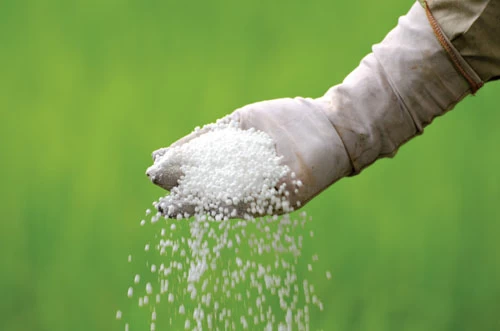
أظهرت التطورات الجيوسياسية الأخيرة حقيقة إستراتيجية طالما غابت عن الاهتمام العام، وهي أن دول الخليج ليست فقط مراكز لإنتاج النفط والغاز، بل تُعد أيضاً من أكبر موردي الأسمدة التي تعتمد عليها الزراعة العالمية.
ومع تصاعد التوترات وإغلاق مضيق هرمز، الذي يمثل شرياناً حيوياً لنقل هذه المواد، بدأت تظهر بوادر أزمة في إمدادات الأسمدة، ما ينذر بتداعيات واسعة على إنتاج الغذاء العالمي.
وتُعد الأسمدة عنصراً أساسياً في إنتاج محاصيل رئيسية مثل القمح والأرز والذرة، وأي اضطراب في إمداداتها ينعكس مباشرة على الإنتاج الزراعي، ومن ثم على أسعار الغذاء عالمياً.
ضغوط متزايدة
وارتفعت أسعار اليوريا، أحد أهم أنواع الأسمدة، بأكثر من 35% وفق تقديرات الأسواق، في حين تواجه مخزونات الفوسفات ضغوطاً متزايدة، خصوصاً مع ارتباط جزء كبير من إنتاجها وتصديرها بمنطقة الخليج.
ولم يعد التنافس الدولي مقتصراً على تأمين إمدادات الطاقة، بل امتد ليشمل عقود توريد الأسمدة، حيث تسعى دول كبرى إلى تأمين احتياجاتها بأي ثمن.
ففي الهند، تكثف الحكومة جهودها للبحث عن شحنات متاحة في الأسواق العالمية، بينما اتخذت الولايات المتحدة خطوات لتخفيف القيود على استيراد الأسمدة، في محاولة لاحتواء الأزمة.
نقص المعروض
وفي المقابل، بدأت كل من الصين وروسيا تقليص صادراتهما من الأسمدة، ما يزيد من حدة نقص المعروض عالمياً، ويدفع الأسعار إلى مزيد من الارتفاع.
أما في أفريقيا، فقد بدأت بعض الدول بالفعل في تنفيذ برامج طوارئ لمواجهة تداعيات الأزمة، وسط مخاوف من تأثيرها المباشر على الأمن الغذائي في القارة.
ويُجمع محللون على أن الأزمة الحالية قد تكون أكثر تعقيداً من أزمة 2022 المرتبطة بالحرب في أوكرانيا، إذ كان بالإمكان حينها إعادة توجيه الإمدادات بعيداً عن الممرات المتأثرة، بينما تكمن المشكلة اليوم في الممر ذاته، مع تعطل حركة الشحن عبر مضيق هرمز.
Recent geopolitical developments have revealed a strategic reality that has long been overlooked, which is that the Gulf countries are not only centers for oil and gas production but are also among the largest suppliers of fertilizers that global agriculture depends on.
As tensions rise and the Strait of Hormuz, a vital artery for transporting these materials, is closed, signs of a fertilizer supply crisis are beginning to emerge, warning of widespread repercussions on global food production.
Fertilizers are a key element in the production of major crops such as wheat, rice, and corn, and any disruption in their supply directly affects agricultural production, and consequently, global food prices.
Increasing Pressures
The prices of urea, one of the most important types of fertilizers, have risen by more than 35% according to market estimates, while phosphate stocks are facing increasing pressures, especially as a large part of their production and export is linked to the Gulf region.
International competition is no longer limited to securing energy supplies but has extended to fertilizer supply contracts, as major countries seek to secure their needs at any cost.
In India, the government is intensifying efforts to find available shipments in global markets, while the United States has taken steps to ease restrictions on fertilizer imports in an attempt to contain the crisis.
Supply Shortages
In contrast, both China and Russia have begun to reduce their fertilizer exports, exacerbating the global supply shortage and driving prices even higher.
In Africa, some countries have already started implementing emergency programs to address the crisis’s repercussions, amid fears of its direct impact on food security on the continent.
Analysts agree that the current crisis may be more complex than the 2022 crisis linked to the war in Ukraine, as it was possible then to redirect supplies away from affected corridors, whereas the problem today lies within the corridor itself, with shipping movements through the Strait of Hormuz disrupted.