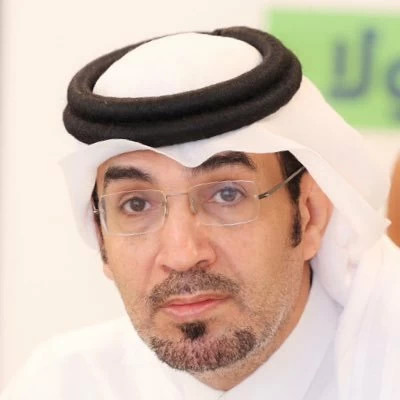








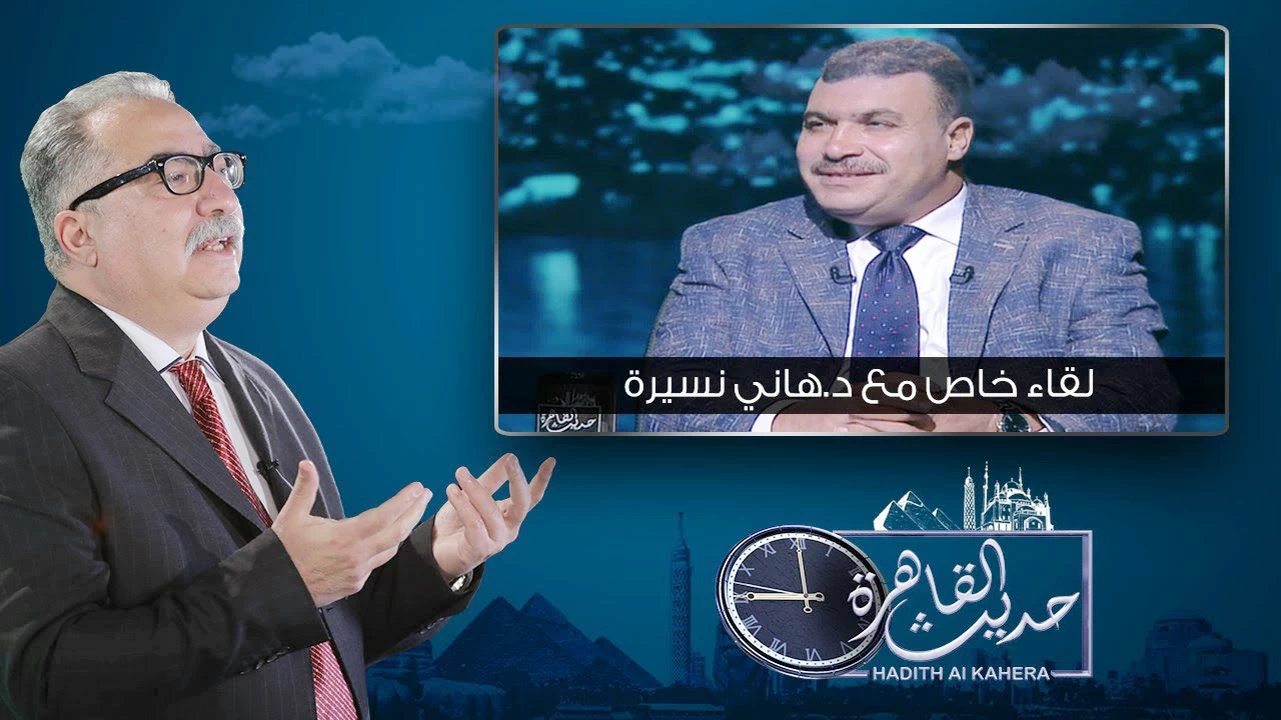
يؤثر الباحث الفلسفي الدكتور هاني نسيرة، أن يكون قريباً من المجتمعات، وأن يتفاعل مع الناس، ما يسهّل عليه قراءة الواقع، ورصد الظواهر، واستشعار الأسباب، ومن ثمّ تحليلها، وتفكيك الأفكار، وتقديم أسئلة أحدث، دون حرص على توفير إجابات قطعية، وهو بروحه المُحبّة، وشخصيته الخلّاقة الخلوقة، وبعطائه المتجدد محل تقدير وتكريم، وهنا مثاقفة امتدت على مدى أسابيع، فإلى نصّها:
• ما الذي أردت بلوغه من كتابك الأحدث «ألغام الهويات»؟
•• الموضوع يشغلني منذ أعوام أو عقود، مفهوماً وتأثيراً وخطراً، وما زال يبرز ويتشكّل رسمياً وشعبياً وفكرياً عند أي حدث، كما شاهدنا في أحداث الحرب الأخيرة، وفي هذا الكتاب، أخضعت مسألة الهوية للتشريح، بدءاً من تصحيح مفهومها السائد، فهي ليست الماهية، أي تصورنا الذهني عن الذات، انتماءً وتاريخاً وديناً وما شابه، ولكنها -إن شئنا الدقة، وكما يذكر الكتاب- صورتنا عن الذات في مرايا الآخرين، فهي تحدٍّ واستجابة ونزوع.
وأؤكد في الكتاب أن الهوية لا تكون إلا كلّية مركبة، متنوعة أو متعددة الأبعاد أو المكونات، يمثل كل منها هوية فرعية داخل الهوية الكلية، وأنه حال استنفار بُعد أو مكوّن منها تحديداً، يصعد هذا البعد متقدماً، متحفزاً للدفاع عمّا يمثله، وربما يرفض الانزواء والاختفاء داخل الهوية الكلية دافعاً عن نفسه ما يراه خطراً أو مطالباً بما يراه حقاً.
يؤكد الكتاب أن مسألة الهوية لها قواعد وقوانين، وبها ألغام، على سياسات وإستراتيجيات الهوية أن تستوعبها وتتفهمها كيلا تكون خطراً لا يُنتبه له في وجه الآخرين أو الأغيار، فحين كان التتريك كان الحديث عن العروبة، وحين صعد ما يسمى التغريب رأينا الكلام عن التعريب، وفي زمن الاستعمار والاحتلال كان الحديث عن الوطن واستقلاله، وحين يكون الحديث عن السيولة الثقافية المرتبطة بالثورة الرقمية والمعلوماتية، يتصاعد الحديث عن الهوية الثقافية والعرفية الصلبة، والعادات التقاليد والأصالة وما شابه.
• لماذا تعذّر الانضواء تحت مظلة الهويّة الوطنية عربياً برغم مضي ما يقارب قرنين على عصر النهضة؟
•• هذا سؤال مهم أشكرك عليه، بالعكس أراها تصعد وبقوة، فعند استشعار الخطر الإقليمي أو الدولي، تصعد الهويات الوطنية، ويكون الحديث عن المصلحة الوطنية، وعند الإنجاز والتحقق، يصعد الحديث عنها، ولعلي في الكتاب أشرت إلى صيحات الهوية الوطنية الصاعدة في السعودية وعدد من دول الخليج، وبعض سياساتها ومؤسساتها ودعواتها، بل وصعود ما يشبه هوية خليجية متميزة داخل الهوية العربية الأعمّ، ولكن المشكل أن مفهوم الوطن والدولة الوطنية ليس عميقاً في تراثنا، فمفهوم الوطن كمفهوم سياسي لم يظهر إلا في القرن التاسع عشر، مع بطرس البستاني المتوفى سنة 1883، هذا رغم أن الوطن واستقلاله كان المحور والمطلب في دعوات الاستقلال الوطني، إلا أن الهويات والأيديولوجيات الأقدم والأكثر شعاراتية وعاطفية ووجدانية كالعربية والدينية والطائفية ظلت تهمش منه وتتهمه بأنه صنيعة الاستعمار حيناً، وهو الأمر غير الصحيح حتى في التاريخ العربي والإسلامي نفسه، فالسلطة الزمنية لا تعبر حدوده الجغرافية عبر التاريخ، منذ تراجع فكرة الخلافة والوحدة الدينية في القرن الثاني الهجري.
• ما مدى خطورة الهويات الصغرى على الهوية الكبرى؟
•• أنا أسميها الفرعية أو الجزئية، فالهوية ليست صغرى، خصوصاً أنها قد تتضخم وتبتلع الكلية أو الكبرى عند تحديها، ففي الدول الفاشلة كثيراً ما تحدّت الهوية الطائفية أو العرقية الهوية الوطنية مثلاً، وكثيراً ما تحدّت الأقليات الدينية هوية الأغلبية، والحل في ذلك كما طرحته في كتابي (ألغام الهوية) هو منظورية ومعقولية التنوع والمواطنة والمساواة والعدالة، فأحد تعريفات الهوية التي طرحها الكتاب وفق تطورات علم الاجتماع هو السعي نحو الاعتراف والاستحقاق والعدالة والمساواة، كإستراتيجية لرفض التمييز والتصغير لها.
• ما غاية الدولة فلسفياً؟ وكيف يمكن تحققها؟
•• أرى الدولة في دلالتها الحديثة، مفهوماً كلياً عقلياً يمثل عقلنة وحوكمة السلطات وتنظيم المؤسسات، وإدارة المجتمعات، وغايتها تحقيق الاستقرار والرفاه لمجتمعاتها، وهو ما لا يتحقق إلا عبر تمكين المأسسة والعدل والتسامح والتثاقف الحضاري وتعزيز السِّلم، ورفع شأن الهويّة الوطنية، داخلياً وخارجياً، وتحفيز المواطن للإبداع والابتكار، وكسب انتمائه الوطني بإشعاره بالمواطنة، بعيداً عن التعبئة والإنهاك والتوحش ومقاومة الكراهية والتمييز بين المواطنين، وتجسير الفجوة بينهم وبين العالم؛ ليكون فاعلاً في الحضارة والتنافس، فضلاً عن حمايتهم والدفاع عنهم ضد أي خطر يتهددهم داخلياً أو خارجياً.
• من يتحمَّل مسؤولية التراجع عن المدنية؛ المجتمعات، النخب، المؤسسات التشريعية؟
•• ربما تشمل المسؤولية الكثير من هؤلاء، أولاً المجتمعات الكبيرة والثقيلة التي تقدس التقليد وتسيطر عليها النزعة الماضوية والأصولية التي تراها هوياتها وميراثها المقدس، والنخب التي تنفصل عن التفاعل والنقد وتتحول مشاريعها لمشاريع فردية خالصة تبتغي الشهرة أو الكسب، والقوانين التي تقيد حركة الثقافة والمثقف وحريته، ولا تحميه من قمع التقليد والأصوليات والتطرف، المدنية رغم أنها فطرية وطبيعية وقديمة، وقبلها التراث، فقد استخدمها الشافعي كما استخدمها ابن تيمية وابن خلدون، وذكروا أن الإنسان مدني بطبيعته، نقلاً عن سقراط، وأنه لا يكون إلا متعايشاً مع آخرين، بمعايير العقلانية والتنوع وحق الاختلاف والاعتراف، إلا أن هذا لم يتمكن، بهشاشة ممثليها وعدم تأثيرهم العميق في مجتمعاتهم، وكذلك بمنطق السلطة وفلسفة الأمر الذي يصر على دمج الكل في واحد ونفي التنوع والاختلاف بل وتجريم الاجتهاد والإبداع أحياناً، وقد ساعد من ذلك النزوع الشعبوي الصاعد في (السوشال ميديا) والمواقع التواصلية، كما السلطة الأيديولوجية والثقافية التي ترى في الاختلاف والتعدد خطراً.
• منذ قرن من الزمان، كان عدد المفكرين العرب محدوداً، والبيئات متماسكة، بماذا تفسر زيادة أعداد من يوصفون بالمفكرين مقابل التشتت المتزايد على مستوى النظرية والممارسة؟
•• بداية هو أمر يمكن تفهّمه في العلوم الإنسانية إذ لا توجد كلمة نهائية فيها، وكذلك في الأنظمة الفكرية والأيديولوجية التي تصنع تياراتها ودعاتها، وهو غير الموجود عكس العلوم التطبيقية، حيث تكون النتائج يقينية، فلا يوصف مخترع أو مبتكر إلا إذا ثبت اختراعه وابتكاره.
لا بد أن نضبط أولاً مفهوم المفكر والمثقف، فالمفكر هو الذي يحدث نقلات نوعية، وإبداعاً في مجال الأفكار والفهم والإفهام، أو يولّد أفكاراً جديدة في مجال الفهم والوعي، وهو ما لا يكون إلا بتوفر شرطَي الحرية والتجديد، أما المثقف فهو المهتم والمتفاعل الذي يتفهم المجال والوعي العام، وقلّتهم في السابق لأنهم كانوا ينتزعون الاعتراف بأطروحاتهم الفكرية وتأثيرها الممكن وما يفرضونه من اعتراف من السلطة والمجتمع على السواء، وإن كان يعبر عنهم في الماضي بتعبيرات أخرى -غير المفكر- مثل المستنير والمجدد والرائد والإصلاحي والأستاذ، فلم يظهر مفهوم المفكر إلا أواخر الستينيات وفي عقد السبعينيات، أما كثرته في زمننا المزدحم فهو نتيجة الاستسهال الإعلامي، وكذلك هيمنة السلطة السياسية وأحياناً الاقتصادية والأيديولوجية على السلطة الثقافية، بل واحتكارها أحياناً، فصارت تنتشر هذه الأوصاف ترويجاً للاتجاه الذي تعبر عنه السلطة أو المؤسسة التي قد تُشخصن وتعبر عن توجهات مديريها فقط.
ولكن يبقى الحق قديماً وراسخاً فليس كل دارس للأدب أديباً ولا كل ناقل أو مكرر للأفكار مفكراً، وشخصياً أعرف عدداً من المفكرين العرب المهمين الذين لم ينتبه لهم الإعلام بالشكل الذي يليق بهم، أذكر منهم الراحلين فؤاد زكريا وجورج طرابيشي ومحمد جابر الأنصاري والليبي نجيب الحصادي، كما أذكر من المعاصرين ناصيف نصار أطال الله عمره، بينما تجد البعض يروج وتنتشر له نتف فكرية -إن صح التعبير- فقط لأن ماكينة الإعلام والترويج وراءه ومعه، أو لأنه مجرد مسؤول حالي أو سابق له شبكة علاقات مهمة، دون تحقيق وتدقيق للحق وللحقيقة.
• ما علاقة التراث بالهوية؟ وهل تعرض تراثنا لدسيسة ما بحكم أن مدوّنيه لم يكونوا عرباً؟
•• التراث باعتباره المكون الأساس، لنوع من الهوية، هو الهويات الثقافية والحضارية والدينية، وحين يقدم هذا النوع من الهوية على سواه، يصعد بتراثه ورموزه وعلاماته ومقدساته، فالهوية الكيميتية الصاعدة في مصر -عند ممثليها- الآن تحتفل وتحتفي بكل ما هو فرعوني وبأسماء ملوك المصرية القديمة وأعيادها، بينما المنتمون للهوية العربية الإسلامية يحتفون بكل ما هو عربي وإسلامي، وكل منهما يرفض الآخر.
أما عربية التراث، وكونه مدسوساً، كون مدوّنيه لم يكونوا في أغلبهم عرباً، فلست من القائلين به، فالتراث باعتبار أحد تعريفاته، التي يعتمدها المحقق الراحل عبد السلام هارون، المكتوب في الماضي بالعربية، ينتمي لدائرتين هويتين وحضاريتين هما الدائرة العربية والإسلامية، واستحضار العرق والجنس لم يكن موجوداً حين كتابته إلا مع تيار الشعوبية الذي ظهر في القرن الثالث الهجري، وكان محدوداً، وصراعاً على السلطة في حقيقته، ومع بعض تيارات القومجية والبعثية في القرن العشرين، التي سعت لنفي دور وأصالة بعض أبناء هذه الأمم، فقال صدام حسين مثلاً إن صلاح الدين الأيوبي لم يكن كردياً ولكن من قبيلة عربية «استكردت»، وأذكّرك بسيبويه وابن المقفع وابن سينا وابن مسكويه وغيرهم وما أثروا به تراثنا العربي في إطاره الإسلامي، بل وابن العسال وتعريبه للإنجيل في العصر الفاطمي، كما أذكّرك حديثاً، وأنت الأديب والناقد بأحمد شوقي الذي ينتمي في أصوله لأجناس غير عربية، شركسية ويونانية وتركية، أو عائشة التيمورية وأحمد تيمور باشا أو العقاد الذي كان من أصول كردية.. هل يمكن عدم اعتباره أدباً عربياً في عصرنا الحديث، هذا تعصب أيديولوجي شعوبي قديم ومستمر من بعض موظفي العرقية والقوميات، أو قومجي عربي متعصب عرفناه أيضاً في عصرنا الحديث، فالأصوليات والهويات الضيقة تستنفر بعضها بعضاً.
• من أنشأ أو تسبب في نشوء جماعات الإسلام السياسي؟ وما علاقته بموضوع «ألغام الهوية»؟
•• أسباب متعددة ومجموعة عوامل متشابكة؛ أبرزها سقوط الخلافة العثمانية، التي سعت في عهد السلطان عبدالحميد لتوظيف تسيس الدين وأسلمة الحكم، مقاومة لانهيارها، وهو ما استمر 14 قرناً قبل ذلك، ولو اسمياً، وانقلب بعض منتقديها كالسيد محمد رشيد رضا، للدفاع عنها والتأكيد على فرضيتها واستعادتها، ما مهد لنشأة جماعة «الإخوان المسلمين» سنة 1928 كأول ممثل للإسلام السياسي، التي خرجت من عباءتها سائر الجماعات المتطرفة، والتي نجحت في توظيف الوجدان المتديّن والمحافظ لدى الشعوب المسلمة، كما اصطدمت مع التيارات القومية والناصرية والبعثية، وتوظيف القضية الفلسطينية منذ حرب 1948، ثم ساعد فشل الأنظمة القومية في صعودها مجدداً، وما زالت هذه المعركة ضرورية في مجال الوعي العام والصراع على الإسلام وتصوراته، فتم فصل التاريخي المتغير عن العقدي الثابت والقطعي، وفصل خلافة الرسول -صلى الله عليه وسلم- عن رسالته، وتحديد الثابت والمتغير في تصور الدين والعلاقة بين السلطة والمجتمع من جهة، وبين المسلمين والعالم والعلم من جهة أخرى.
وفي كتابي (ألغام الهوية) لم أقف عند مناقشة الهوية مفهوماً وتاريخاً وقوانين عملها، ولكن تناولت كذلك علاقتها بمسألة المرجعية، فحين التحيز لبعد واحد معين من أبعاد الهوية، كالدين أو الإسلام مثلاً، ونفي سواه، يصعد في هذه الحالة ويتولد خطاب الإسلام السياسي الذي يكفّر الوطنية ويكفّر الدولة الوطنية والمواطنة، وهو ما يفجّر في هذا السياق فكرة الشراكة في الوطن والمواطنة ويهدّد السلم والتعايش الأهلي؛ نظراً لاختلاف الأديان والطوائف داخل الوطن الواحد.
• ما مستقبل هذه الجماعات والأحزاب في عصر الذكاء الاصطناعي والمعطيات الرقمية؟
•• أرى أن ثورة الذكاء الاصطناعي والمعلوماتي تمهد لتراجع الأصوليات المتطرفة، وكل الأيديولوجيات الحتمية التي عرفها القرن الـ20، ولكنها لا تميتها، فهي تساعد على انتشار النقد والانتقاد وتخاطب الأفراد والمجتمعات بسهولة، وتشتبك مع المقدس، في أعلى مستوياته، وليس فقط في تأويله الأصولي، ولكن كذلك تجد فيه الحركات الأصولية والمتطرفة مساحات للتعبير والتجنيد في فضاء الثورة المعلوماتية والتكنولوجية تلك، مستغلة أزمات الواقع والهوية والمرجعية، وترويج ادعاءاتها بالمظلومية وطرحها نفسها حلاً وبديلاً، ولكن لا شك أن اليقظة الوطنية والرسمية والمؤسساتية، والمجتمعية خصوصاً بعد تجريبها عقب أحداث سنة 2011 مثلت ضغوطاً كبيرة عليها وحرجاً كبيراً لها يمنع من قبولها السابق ويسد منافذ وثغرات التقبل لخطابها وشعاراتها الوجدانية بالخصوص، بعد تجريب فشلها، بدءاً من «الإخوان» سنة 2013 إلى «داعش» سنة 2017 إلى «طوفان أكتوبر» سنة 2023 وما أدى إليه من زلازل وبراكين في المنطقة ما زلنا نشاهد آثارها.
• كم نحتاج لإعادة الثقة بين النخب والحكومات؟
•• من الضرورة استعادة الثقة بين النخب المثقفة والحكومات، خصوصاً في ظل التحديات الوطنية والإقليمية والعالمية المختلفة، وهي أمر كان موجوداً في نصنا الرئيس وتراثنا، وفي الغرب كذلك، العلاقة الوطيدة بين المثقف والمبدع من جهة وبين الأمير، وبين المثقف والنبيل كما كان في عصر النهضة الأوروبية.
وقد طرح الراحل الدكتور سعد الدين إبراهيم فكرة تجسير الفجوة بين المثقف والأمير، وهي مسألة ليست فردية الآن، ولكن مسألة تخضع لاختصاص مؤسسات وسيطة مختلفة الآن، ترفع توصياتها وتبرز ما تراه، لكن لا بد من نظمها وتنشيطها ورعايتها، فالتنوع والثراء جزء من القوة الناعمة لأي دولة أو حكومة، كما أن المثقف ينبغي ألا يظل عالقاً في السماء ولا ينزل إلى الأرض والأثر الفعلي، وكل إنجازات الحداثة العربية كانت على جسر هذه العلاقة، فرائد التعليم والتنوير المصري رفاعة الطهطاوي كان مقرباً من أسرة محمد على باشا، وكذلك نجح خيرالدين باشا التونسي في تحقيق منجزه في ظل قربه من محمد الصادق باي واختياره وزيراً أول سنة 1869، وكذلك دفع البعثات ورعاية الفنون كان جزءاً من التطور الحضاري والتحديثي العربي والخليجي، ولا شك أن تحرير هذه العلاقة من الاحتكار أمر مهم، وتحويلها لاكتشاف ورعاية مستمرة موضوعية ومعيارية.
• أي خطر يتهدد ثقافتنا في ظل التسييل الملحوظ للأفكار والقيم والمبادئ؟
•• أخطار مختلفة ومتعددة، بعضها يأتي من علاقة الهوية بالمرجعية المفتوحة والعقلانية كما ذكرت في كتابي، إذ لا شك أن السيولة التي تميز ما بعد الحداثة والثورة المعلوماتية تهدد قيماً إنسانية راسخة في ثقافتنا ومجتمعاتنا أيضاً، وينبغي أن ننتبه لذلك حتى لا تُستلب منا الأجيال الجديدة والمستقبلية، كما أن التمكين لمشروع نهضوي واضح المعالم والخطوات، من مناهج التربية والتعليم إلى منصات الوعي والإعلام المختلفة، يحدد المأمول والمقبول، يحفظنا من السيولة ومتاهتها، بمعرفة الثابت والمتغير، والأصيل الصالح والقديم التالف، وحدود علاقتنا بالآخر، واحترام هويتنا الإنسانية، والوعي بآليات التعامل الرشيد والنقدي مع هذه السيولة ومخاطرها حتى لا يُستلب المواطن العربي لما يطرح عليه دون قدرة على النقد أو القبول.
• ما العصر الإسلامي الذي يُعتمد عليه في تأسيس انطلاقة مستقبلية آمنة؟
•• ظني أن التاريخ الحضاري كله يصلح مرتكزاً للبناء عليه، ولكن في مرايا الواقع والموقع الذي ننطلق منه الآن، وحسب الانطلاقة التي نريدها، فإذا كنا نتكلم عن انطلاقة روحية وأخلاقية فلا شك أن حياة النبي -صلى الله عليه وسلم- وصدر الإسلام تمثّل منطلقاً رئيساً في ذلك، وإذا كنا نتكلم عن نهضة شاملة فلا شك أنه يجب علينا النظر ليس إلى الماضي، ولكن للآخر الناهض والمتقدم وتجاربه، شرقاً أو غرباً، فالتاريخ وتراثه يعملان في وعينا الحاضر ومعه، والحاضر والتاريخي لا ينحصر فيهما ولكن يأخذ ما يناسبه.
• متى يمكن نقد الفلسفة والمفكرين؟ ومن يحق له نقدهم؟
•• كل وقت بالتأكيد، فالفلسفة هي السؤال كما يقول جيل دولوز، المفكرون لا يملكون الحقيقة المطلقة ولكن يطرحون مقولاتهم وأفكارهم كحقيقة نسبية قابلة للنقاش والنقد بل وترحب بهما، ومن ظن نفسه يمتلك الحقيقة المطلقة فهو دعيّ يدعي النبوة والقداسة أو كاهن فاسد يتكسب بهما، ويحق للجميع نقد المفكرين والفلاسفة طالما كان ذلك وفق شرط الحرية والموضوعية والمنطق والاحترام.
The philosophical researcher Dr. Hani Nasira emphasizes the importance of being close to communities and interacting with people, which facilitates his reading of reality, observing phenomena, sensing causes, and then analyzing and deconstructing ideas, while presenting newer questions without a strict focus on providing definitive answers. With his loving spirit, creative and noble personality, and his continuous giving, he is a figure of appreciation and honor. Here is a cultural exchange that extended over several weeks, leading to its text:
• What did you aim to achieve with your latest book “The Mines of Identities”?
•• This topic has occupied me for years or decades, in terms of its concept, impact, and danger, and it continues to emerge and take shape both officially and popularly with any event, as we saw in the recent war events. In this book, I subjected the issue of identity to dissection, starting with correcting its prevalent concept; it is not the essence, meaning our mental image of the self, belonging, history, religion, and the like. Rather, it is – if we want to be precise, as the book mentions – our image of the self in the mirrors of others; it is a challenge, a response, and an inclination.
I affirm in the book that identity can only be a composite whole, diverse or multidimensional or multi-component, each of which represents a sub-identity within the overall identity. When a specific dimension or component is mobilized, this dimension rises, eager to defend what it represents, and perhaps it refuses to retreat and hide within the overall identity, defending itself against what it perceives as a danger or demanding what it sees as a right.
The book emphasizes that the issue of identity has rules and laws, and it contains mines that identity policies and strategies must understand and comprehend to avoid becoming a danger that goes unnoticed in the face of others or outsiders. When Turkification was happening, there was talk of Arabism, and when what is called Westernization rose, we saw discussions about Arabization. During the time of colonialism and occupation, the discourse was about the homeland and its independence, and when the discussion arises about cultural fluidity associated with the digital and informational revolution, the talk about solid cultural and customary identity, traditions, and authenticity escalates.
• Why has it been difficult to unite under the umbrella of national identity in the Arab world despite nearly two centuries since the Renaissance?
•• This is an important question, and I thank you for it. On the contrary, I see it rising strongly. When sensing regional or international danger, national identities rise, and the talk about national interest becomes prominent. When achievements are made, the discourse about them escalates. In the book, I pointed to the rising cries of national identity in Saudi Arabia and several Gulf countries, along with some of their policies, institutions, and calls, and even the rise of what resembles a distinct Gulf identity within the broader Arab identity. However, the problem is that the concept of homeland and national state is not deeply rooted in our heritage. The political concept of homeland did not emerge until the 19th century, with Butrus al-Bustani, who died in 1883. This is despite the fact that homeland and its independence were the core and demand in calls for national independence. Yet, older and more emotive ideologies and identities, such as Arab, religious, and sectarian identities, continued to marginalize it and accuse it of being a product of colonialism at times, which is not correct even in Arab and Islamic history itself. Temporal authority does not transcend its geographical boundaries throughout history, since the decline of the idea of caliphate and religious unity in the second century of Hijra.
• How dangerous are minor identities to the major identity?
•• I call them sub-identities or partial identities. Identity is not minor, especially since it can swell and engulf the whole or major identity when challenged. In failed states, sectarian or ethnic identity often challenges national identity, for example, and religious minorities frequently challenge the identity of the majority. The solution to this, as I proposed in my book “The Mines of Identity,” is the perspective and rationality of diversity, citizenship, equality, and justice. One of the definitions of identity presented in the book, according to developments in sociology, is the pursuit of recognition, entitlement, justice, and equality as a strategy to reject discrimination and diminishment.
• What is the philosophical purpose of the state? And how can it be achieved?
•• I see the state in its modern connotation as a comprehensive rational concept that represents the rationalization and governance of authorities, organization of institutions, and management of societies. Its purpose is to achieve stability and welfare for its communities, which can only be realized through empowering institutionalization, justice, tolerance, cultural exchange, and enhancing peace, raising the status of national identity both internally and externally, and motivating citizens to innovate and create, instilling in them a sense of citizenship, away from mobilization, exhaustion, savagery, and resisting hatred and discrimination among citizens, bridging the gap between them and the world so they can be active participants in civilization and competition, in addition to protecting them and defending them against any threats they face, whether internally or externally.
• Who bears the responsibility for the retreat from civilization: societies, elites, or legislative institutions?
•• The responsibility may encompass many of these, primarily large and heavy societies that sanctify tradition and are dominated by a retrogressive and fundamentalist tendency that sees their identities and heritage as sacred. The elites that detach from interaction and criticism and turn their projects into purely individual endeavors seeking fame or profit, and the laws that restrict the movement of culture and intellectuals and their freedom, failing to protect them from the oppression of tradition, fundamentalism, and extremism. Civilization, although it is innate, natural, and ancient, preceded by heritage, was used by Al-Shafi’i, Ibn Taymiyyah, and Ibn Khaldun, who mentioned that man is civil by nature, quoting Socrates, and that he can only coexist with others, based on the standards of rationality, diversity, the right to differ, and recognition. However, this has not been realized due to the fragility of its representatives and their lack of deep influence in their societies, as well as the logic of authority and the philosophy of command that insists on merging all into one and denying diversity and difference, even criminalizing ijtihad and creativity at times. This has been further aided by the rising populist tendency in social media and networking sites, as well as the ideological and cultural authority that sees difference and plurality as a danger.
• A century ago, the number of Arab thinkers was limited, and the environments were cohesive. How do you explain the increase in the number of those described as thinkers alongside the growing fragmentation at the level of theory and practice?
•• First, this is something that can be understood in the humanities, as there is no final word in them, and also in the ideological and intellectual systems that create their currents and advocates, which is not the case in applied sciences, where results are certain. An inventor or innovator is only described as such if their invention or innovation is proven.
We must first define the concept of thinker and intellectual. A thinker is one who brings about qualitative shifts and creativity in the realm of ideas, understanding, and comprehension, or generates new ideas in the realm of awareness and consciousness, which can only occur with the availability of the conditions of freedom and renewal. An intellectual, on the other hand, is the interested and interactive individual who understands the field and public awareness. Their scarcity in the past was because they were struggling to gain recognition for their intellectual propositions and their possible impact, as well as the recognition imposed by both authority and society. Although they were expressed in the past with other terms – not “thinker” – such as enlightened, renewer, pioneer, reformer, and teacher, the concept of thinker did not emerge until the late 1960s and the 1970s. The increase in their numbers in our crowded time is a result of media simplification, as well as the dominance of political, and sometimes economic and ideological, authority over cultural authority, and even its monopolization at times. Thus, these descriptions have spread to promote the direction expressed by the authority or institution that may personalize and reflect only the inclinations of its directors.
However, the truth remains ancient and established; not every student of literature is a literary figure, nor is every transmitter or repeater of ideas a thinker. Personally, I know several important Arab thinkers who have not received the media attention they deserve, including the late Fouad Zakaria, George Tarabishi, Muhammad Jaber Al-Ansari, and the Libyan Najib Al-Husadi. I also mention among contemporaries Nasif Nassar, may God prolong his life, while some promote and spread intellectual snippets – if the term is correct – simply because the media and promotional machinery is behind them, or because they are merely current or former officials with significant networks of relationships, without verifying and scrutinizing the truth and reality.
• What is the relationship between heritage and identity? Has our heritage been subjected to any subterfuge given that its recorders were not Arabs?
•• Heritage, as the foundational component of a type of identity, encompasses cultural, civilizational, and religious identities. When this type of identity is prioritized over others, it elevates its heritage, symbols, signs, and sanctities. The rising Kemitic identity in Egypt – among its representatives – now celebrates and honors everything Pharaonic, including the names of ancient Egyptian kings and their festivals, while those belonging to the Arab Islamic identity celebrate everything Arab and Islamic, with each rejecting the other.
As for the Arabness of heritage and the claim that it is infiltrated because its recorders were mostly not Arabs, I do not subscribe to this view. Heritage, according to one of the definitions adopted by the late investigator Abdul Salam Haroun, which was written in the past in Arabic, belongs to two identity and civilizational circles: the Arab and Islamic circles. The invocation of race and ethnicity was not present when it was written, except with the rise of the Shu’ubiyya movement that appeared in the third century of Hijra, which was limited and fundamentally a struggle for power. Along with some currents of nationalism and Ba’athism in the twentieth century, which sought to deny the role and authenticity of some members of these nations. For example, Saddam Hussein stated that Saladin Al-Ayyubi was not Kurdish but from an Arab tribe that “became Kurdish.” I remind you of Sibawayh, Ibn Al-Muqaffa, Ibn Sina, Ibn Miskawayh, and others and how they influenced our Arab heritage within its Islamic framework, and I also remind you of Ibn Al-Asal and his Arabization of the Gospel during the Fatimid era. I also remind you, as a writer and critic, of Ahmed Shawqi, who has non-Arab origins, Circassian, Greek, and Turkish, or Aisha Al-Taymouriyah and Ahmed Taymour Pasha, or Al-Aqqad, who was of Kurdish origins. Can we not consider this Arabic literature in our modern era? This is an old and ongoing ideological populist bias from some ethnic and national employees, or a fanatical Arab nationalist that we have also known in our modern era, as fundamentalisms and narrow identities provoke each other.
• Who created or contributed to the emergence of political Islam groups? And what is its relation to the topic of “Mines of Identity”?
•• There are multiple reasons and a set of intertwined factors, the most prominent of which is the fall of the Ottoman caliphate, which sought during the reign of Sultan Abdul Hamid to politicize religion and Islamize governance as a resistance to its collapse, which had lasted for 14 centuries before that, albeit nominally. Some of its critics, like Sayyid Muhammad Rashid Rida, turned to defend it and emphasize its necessity and restoration, paving the way for the establishment of the “Muslim Brotherhood” in 1928 as the first representative of political Islam, from which all extremist groups emerged. They succeeded in mobilizing the religious and conservative sentiments of Muslim peoples and clashed with nationalist, Nasserist, and Ba’athist currents, utilizing the Palestinian cause since the 1948 war. The failure of nationalist regimes further aided their resurgence, and this battle remains necessary in the realm of public awareness and the struggle over Islam and its perceptions. The historical variable was separated from the doctrinal fixed and categorical, and the caliphate of the Prophet – peace be upon him – was separated from his message, defining the fixed and variable in the conception of religion and the relationship between authority and society on one hand, and between Muslims and the world and knowledge on the other.
In my book “The Mines of Identity,” I did not stop at discussing identity as a concept, history, and laws of its operation, but also addressed its relationship to the issue of reference. When favoring one specific dimension of identity, such as religion or Islam, for example, and denying others, political Islam discourse rises in this case, which denounces nationalism and the national state and citizenship, which explodes in this context the idea of partnership in the homeland and citizenship and threatens peace and civil coexistence due to the differences in religions and sects within one homeland.
• What is the future of these groups and parties in the era of artificial intelligence and digital data?
•• I see that the revolution of artificial intelligence and information paves the way for the retreat of extremist fundamentalisms and all deterministic ideologies that characterized the 20th century, but it does not kill them. It helps spread criticism and critique and addresses individuals and societies easily, engaging with the sacred at its highest levels, not only in its fundamentalist interpretation but also finding in it spaces for expression and recruitment in this information and technological revolution, exploiting the crises of reality, identity, and reference, promoting their claims of victimhood and presenting themselves as a solution and alternative. However, there is no doubt that national, official, institutional, and societal awareness, especially after experiencing it following the events of 2011, has represented significant pressures on them and great embarrassment that prevents their previous acceptance and closes the avenues and gaps for the acceptance of their emotional discourse in particular, after experiencing their failure, starting from the “Brotherhood” in 2013 to “ISIS” in 2017 to the “October Flood” in 2023 and the resulting earthquakes and volcanoes in the region that we are still witnessing the effects of.
• How much do we need to restore trust between elites and governments?
•• It is essential to restore trust between educated elites and governments, especially in light of various national, regional, and global challenges. This was something present in our main text and heritage, and in the West as well, the close relationship between the intellectual and the creator on one hand and the prince on the other, and between the intellectual and the noble as it was during the European Renaissance.
The late Dr. Saad Eddin Ibrahim proposed the idea of bridging the gap between the intellectual and the prince, which is not an individual matter now, but a matter subject to the expertise of various intermediary institutions that now raise their recommendations and highlight what they see. However, it is necessary to organize, activate, and nurture them, as diversity and richness are part of the soft power of any state or government. The intellectual should not remain stuck in the sky without descending to the ground and actual impact. All achievements of Arab modernity were on the bridge of this relationship. The pioneer of education and enlightenment in Egypt, Rifa’a al-Tahtawi, was close to the family of Muhammad Ali Pasha, and Khair al-Din Pasha of Tunisia succeeded in achieving his accomplishments due to his proximity to Muhammad al-Sadiq Bey, who appointed him as Prime Minister in 1869. Moreover, promoting missions and nurturing the arts was part of the Arab and Gulf civilizational and modernization development. There is no doubt that liberating this relationship from monopolization is important, transforming it into a continuous objective and standard discovery and nurturing.
• What dangers threaten our culture in light of the noticeable fluidity of ideas, values, and principles?
•• There are various and multiple dangers, some of which stem from the relationship of identity with the open reference and rationality, as I mentioned in my book. There is no doubt that the fluidity that characterizes postmodernism and the information revolution threatens deeply rooted human values in our culture and societies as well. We must be attentive to this so that new and future generations are not stripped of them. Moreover, empowering a clear and defined renaissance project, from educational curricula to various awareness and media platforms, determines what is hoped for and acceptable, protecting us from fluidity and its maze, by knowing the fixed and the variable, the authentic and the corrupted old, the limits of our relationship with the other, respecting our human identity, and being aware of the mechanisms for dealing wisely and critically with this fluidity and its dangers so that the Arab citizen is not stripped of what is proposed to him without the ability to critique or accept.
• What Islamic era can be relied upon to establish a secure future launch?
•• I believe that the entire civilizational history is suitable as a foundation for building upon, but in the mirrors of reality and the position from which we are launching now, and according to the launch we desire. If we are talking about a spiritual and moral launch, there is no doubt that the life of the Prophet – peace be upon him – and the early days of Islam represent a primary starting point in that. If we are talking about a comprehensive renaissance, we must look not only to the past but also to the rising and advanced other and its experiences, whether in the East or the West. History and its heritage operate in our present awareness, and the present and the historical do not confine themselves to them but take what suits them.
• When can philosophy and thinkers be criticized? And who has the right to criticize them?
•• At all times, certainly. Philosophy is the question, as Gilles Deleuze says. Thinkers do not possess absolute truth but present their propositions and ideas as relative truths open to discussion and critique, and they welcome both. Anyone who believes they possess absolute truth is a pretender claiming prophethood and sanctity or a corrupt priest profiting from them. Everyone has the right to criticize thinkers and philosophers as long as it is done under the conditions of freedom, objectivity, logic, and respect.