






في بكين، يدرك الزائر سريعاً أنه أمام مدينة فريدة، عاصمة تجمع بين صرامة السياسة وهدوء الأزقة القديمة وسرعة التقنية وحركة الناس المستمرة. منذ اللحظة الأولى، تقدم المدينة تجربة مختلفة، الشوارع مزدحمة بالحياة، والمترو يعمل بكامل طاقته، والدراجات الهوائية تنتشر في كل الطرقات كجزء من المشهد اليومي، فيما يصبح الهاتف المحمول رفيقاً لا غنى عنه، يترجم، ويدفع، ويرشد، ويفتح أبواب المدينة أمام الزائر، خصوصاً من لا يتحدث الصينية.
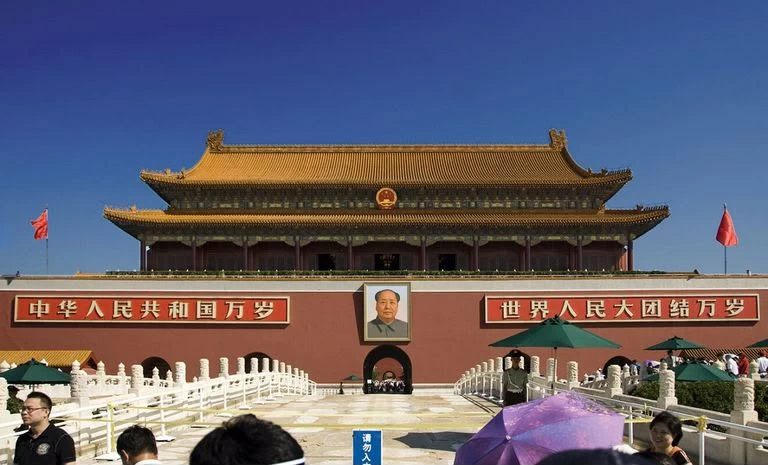
في قلب بكين، تبدو ساحة «تيانانمن والمدينة المحرمة» ومحيطهما شاهدة على ثقل العاصمة السياسي والتاريخي، هنا تتجاور رمزية الدولة مع تفاصيل الحياة اليومية، وتظهر الصين في صورتها الرسمية، منظمة ودقيقة ومعتزة بتاريخها الممتد.
مدينة بعدة وجوه
وعلى مقربة من هذه المساحات الكبرى، تبدأ حكاية أخرى في أزقة «الهوتونغ» القديمة، حيث الممرات الضيقة، والبيوت ذات الأفنية والحدائق، والأبواب الملونة، ورائحة الحياة الشعبية التي تقاوم ضجيج الأبراج الحديثة.
التجول في بكين مشياً أو بالدراجة يمنح الزائر فرصة لاكتشاف المدينة ببطء. من حدائق «جينغشان» المطلة على المدينة، إلى بحيرة شيشهاي، ثم الممرات التاريخية التي تكشف جانبًا إنسانيًا من العاصمة، تبدو بكين وكأنها مدينة بعدة وجوه، وجه سياسي، وآخر تاريخي، وثالث سياحي، ورابع يومي يعيشه الناس في المقاهي والأسواق ومحطات المترو. ولا تقف التجربة عند المعالم الكبرى.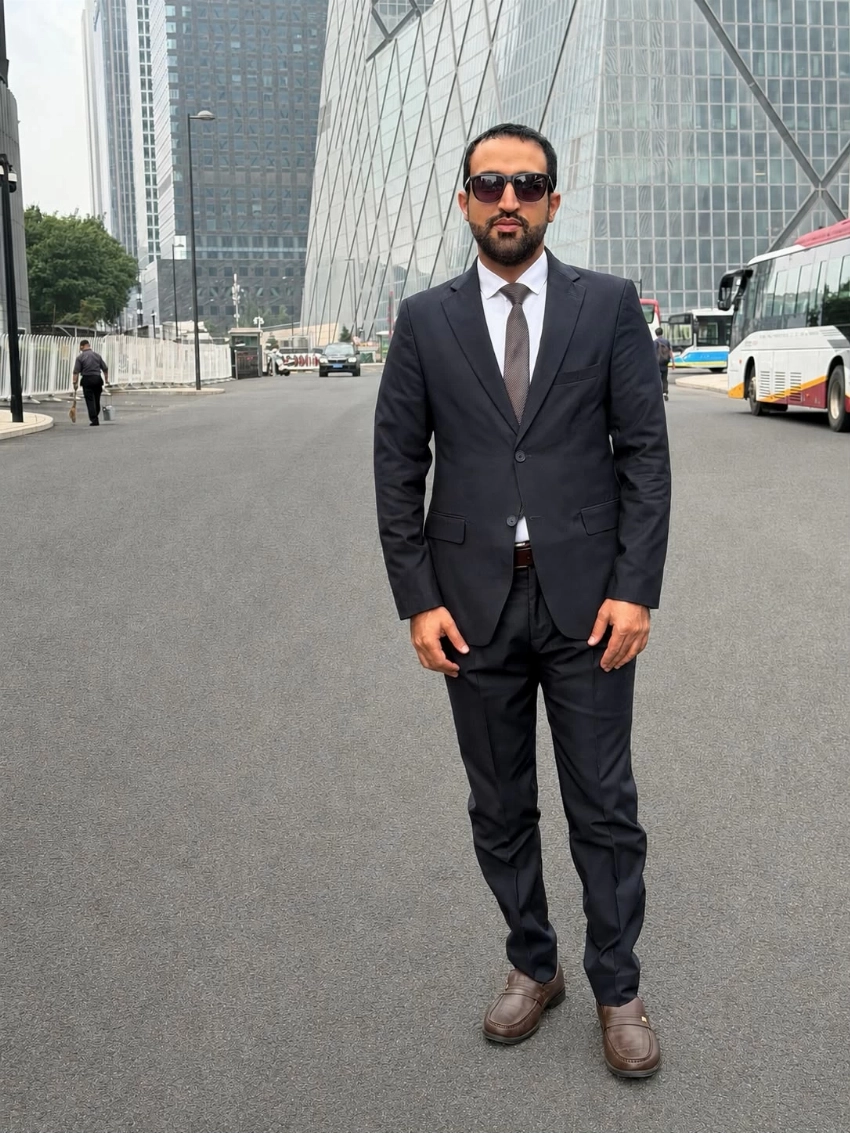

ففي منطقة 798 للفنون، يظهر وجه ثقافي مختلف لبكين، حيث تحولت مصانع قديمة إلى فضاء مفتوح للمعارض والمقاهي والمتاجر الفنية، في مشهد يلخص قدرة المدينة على إعادة استخدام تاريخها الصناعي، وتحويله إلى مساحة للإبداع. أما الأسواق، فتمنح الزائر تجربة قريبة من نبض الشارع.
من حيث المتاجر الشعبية إلى المراكز التجارية الحديثة، يجد السائح مزيجًا من المنتجات المحلية والعلامات العالمية، فيما تبقى المساومة جزءًا من متعة الشراء في بعض الأسواق التقليدية.
وفي المقابل، تكشف المطاعم جانبًا آخر من هوية المدينة، والأطباق القادمة من أقاليم صينية متعددة، مع حضور متزايد للخيارات النباتية التي تناسب كثيرًا من الزوار.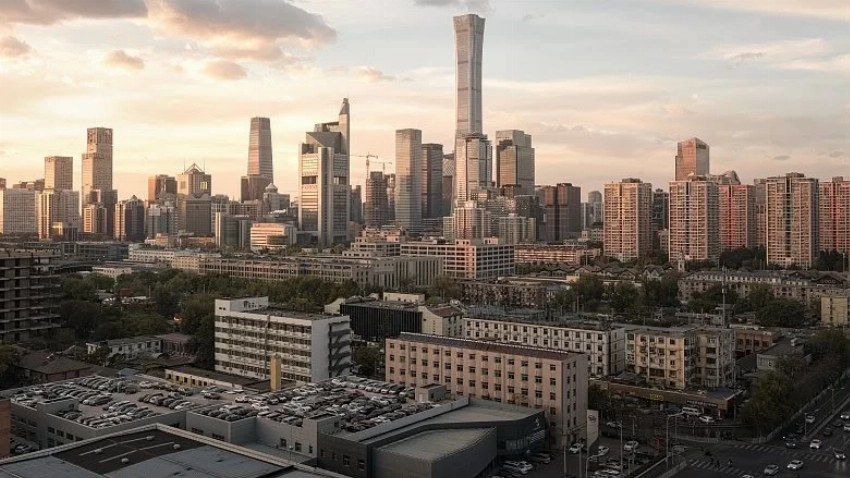

ماضٍ إمبراطوري وحاضر متسارع
اللافت في بكين أن التقنية لم تُلغِ روح المكان، بل جعلت الوصول إليه أسهل. تطبيقات الدفع، والخرائط، والترجمة، وخدمات النقل، منحت الزائر قدرة أكبر على الحركة والاستكشاف. وبالنسبة للسائح السعودي، تبدو هذه التجربة مهمة، فالصين التي كانت تبدو بعيدة لغويًا وثقافيًا أصبحت اليوم أقرب عبر شاشة الجوال. وفي المساء، تأخذ بكين إيقاعًا أكثر هدوءًا.
غروب الشمس فوق حدائق «جينغشان» أو معبد السماء أو القصر الصيفي، يكشف جمال العمارة الصينية بألوانها الحمراء والذهبية، ويمنح الزائر لحظة تأمل في مدينة تجمع بين ماضٍ إمبراطوري وحاضر اقتصادي متسارع.
ومن يريد الهروب من صخب العاصمة، يجد سور الصين العظيم على مسافة رحلة قصيرة، حيث يتحول التاريخ إلى مشهد مفتوح فوق الجبال.
كما يمكن للزائر أن يتجه إلى المدن القريبة التي احتفظت بملامح من الذاكرة الإمبراطورية والمنتجعات الصيفية القديمة. بكين اليوم، محطة سياحية وتجربة كاملة لفهم الصين الحديثة.
مدينة تفتح أبوابها لمن يريد أن يرى كيف يمكن للتاريخ أن يعيش داخل الحاضر، وكيف تستطيع التقنية أن تجعل مدينة ضخمة بهذا الحجم أكثر قربًا وسهولة للزائر. وبعين سعودية، تبدو بكين أكثر من عاصمة سياسية للصين؛ إنها درس يومي في التنظيم، والتطور، والاعتزاز بالهوية، وتجربة تستحق أن تُروى للقارئ السعودي من قلب المكان.
In Beijing, visitors quickly realize they are in a unique city, a capital that combines the strictness of politics with the tranquility of ancient alleys, the speed of technology, and the continuous movement of people. From the very first moment, the city offers a different experience; the streets are bustling with life, the metro operates at full capacity, and bicycles fill the roads as part of the daily scene, while the mobile phone becomes an indispensable companion, translating, paying, guiding, and opening the doors of the city for visitors, especially for those who do not speak Chinese.

At the heart of Beijing, Tiananmen Square and the Forbidden City stand witness to the political and historical weight of the capital. Here, the symbolism of the state coexists with the details of daily life, and China appears in its official form—organized, precise, and proud of its long history.
A City with Many Faces
Close to these grand spaces, another story begins in the ancient hutong alleys, where narrow passages, courtyard houses, colorful doors, and the scent of popular life resist the noise of modern towers.
Wandering through Beijing on foot or by bike gives visitors the chance to discover the city slowly. From the Jing Shan Gardens overlooking the city, to Shichahai Lake, and then to the historical alleys that reveal a human side of the capital, Beijing appears as a city with many faces: a political face, a historical one, a tourist face, and a daily one lived by people in cafes, markets, and metro stations. The experience does not stop at the major landmarks.
In the 798 Art District, a different cultural face of Beijing emerges, where old factories have transformed into an open space for exhibitions, cafes, and art shops, in a scene that summarizes the city’s ability to repurpose its industrial history into a space for creativity. As for the markets, they offer visitors an experience close to the pulse of the street.
From popular shops to modern shopping centers, tourists find a mix of local products and global brands, while bargaining remains part of the joy of shopping in some traditional markets.
Conversely, restaurants reveal another aspect of the city’s identity, with dishes coming from various Chinese regions, alongside an increasing presence of vegetarian options that suit many visitors.
An Imperial Past and a Rapid Present
What is striking in Beijing is that technology has not erased the spirit of the place; rather, it has made access easier. Payment apps, maps, translation, and transportation services have given visitors greater mobility and exploration capabilities. For Saudi tourists, this experience seems significant, as China, which once felt distant linguistically and culturally, is now closer through the mobile screen. In the evening, Beijing takes on a quieter rhythm.
The sunset over the Jing Shan Gardens, the Temple of Heaven, or the Summer Palace reveals the beauty of Chinese architecture in its red and golden colors, offering visitors a moment of reflection in a city that combines an imperial past with a rapidly advancing economic present.
For those wanting to escape the hustle and bustle of the capital, the Great Wall of China is just a short trip away, where history transforms into an open scene above the mountains.
Visitors can also head to nearby cities that have retained features of imperial memory and old summer resorts. Today, Beijing is a tourist hub and a complete experience for understanding modern China.
A city that opens its doors to those who want to see how history can live within the present, and how technology can make such a vast city more accessible and easier for visitors. From a Saudi perspective, Beijing seems more than just the political capital of China; it is a daily lesson in organization, development, and pride in identity, and an experience worth sharing with the Saudi reader from the heart of the place.