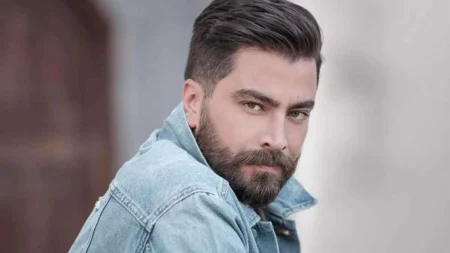








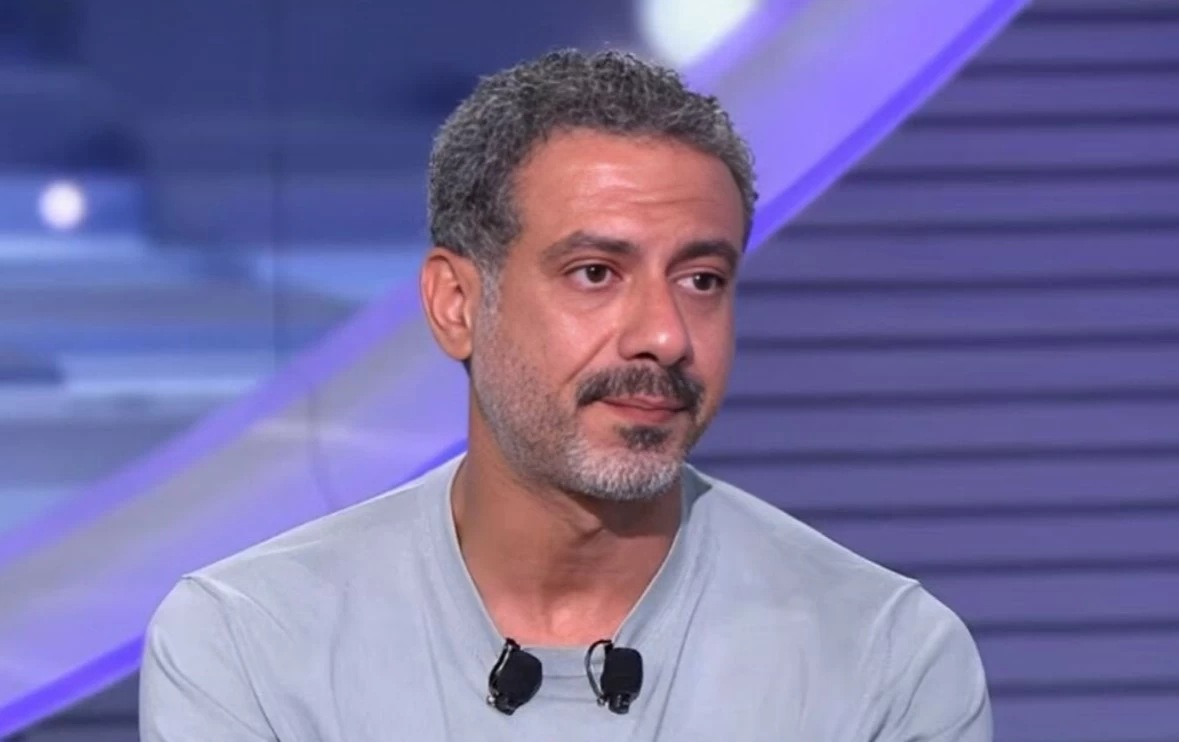
دخل الفنان المصري محمد فراج على خط الجدل المثار حول حكاية «لعبة جهنم»، إحدى حكايات مسلسل «القصة الكاملة»، بعد الانتقادات التي طالت العمل بسبب دوره الذي قدّمه «الشيخ علاء»، التي اعتبر البعض أن تقديمها يحمل إساءة لرجال الدين.
توضيح الحقيقة
أكد محمد فراج، في تصريحات تلفزيونية، أن ما أثير حول المسلسل لا يستند إلى أساس صحيح، مشيراً إلى أن تفاصيل الشخصية والأحداث جاءت مستندة إلى وقائع واعترافات مرتبطة بالقضية الحقيقية التي تناولها العمل.
وأوضح أن التحقيقات كشفت وجود المتهم داخل أحد المساجد، إذ كان يتولى رفع الأذان في أوقات الصلاة، إلى جانب تقديمه دروساً دينية لعدد من الشباب والأطفال، وهو ما انعكس على تفاصيل الشخصية التي ظهرت ضمن أحداث الحكاية.
اعترافات المتهم وراء تفاصيل الحكاية
وأشار فراج إلى أن المسلسل تضمّن أيضاً جانباً من حقيقة الشخصية، من خلال شيخ المسجد الذي بدأ في البحث خلف «الشيخ علاء»، إلى أن اكتشف أنه لم يكن دارساً للدين، مؤكداً أن هذه التفاصيل جاءت من اعترافات المتهم نفسه.
ورفض فراج اعتبار تقديم الشخصية إساءة إلى الدين، موضحاً أن مجرد إطلاق لقب «الشيخ» على شخصية ما لا يعني بالضرورة أنها تمثّل رجال الدين، خصوصاً أن هذا اللقب قد يستخدم أحياناً لمجرد المظهر أو الهيئة.
ما حدث اتهام وليس نقداً
وشدّد محمد فراج على أن الانتقادات التي واجهها العمل تجاوزت حدود النقد الفني، معتبراً أن اتهام صنّاع المسلسل بالإساءة إلى سمعة الدين غير صحيح، خصوصاً أن الحكاية استندت إلى تفاصيل واقعية ولم يكن هدفها تقديم صورة مسيئة لرجال الدين.
وأضاف أن وجود شخصية تحمل لقب «الشيخ» داخل الأحداث لا يعني أن المسلسل يهاجم الدين أو رجاله، مؤكداً أن الحكم على الشخصية يجب أن يكون في إطار الدور الذي تؤديه داخل القصة والوقائع التي استند إليها العمل.
صنّاع العمل
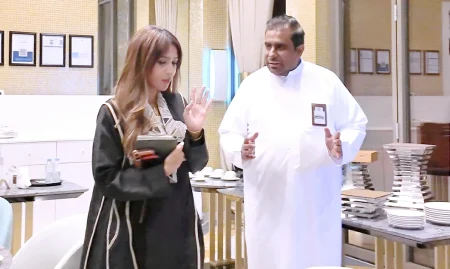
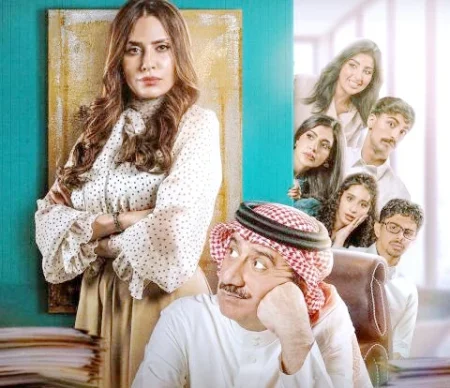
يشار إلى أن مسلسل حكاية «لعبة جهنم» جمع كلاً من محمد فراج وعمر رزيق والطفل منذر مهران وغادة طلعت وآخرين، ومن تأليف نجلاء الحديني وإخراج إسلام خيري.
The Egyptian artist Mohamed Farag has entered the debate surrounding the story “Hell’s Game,” one of the tales from the series “The Complete Story,” following the criticisms directed at the work due to his role as “Sheikh Alaa,” which some considered to be an offense to religious figures.
Clarifying the Truth
Mohamed Farag confirmed in television statements that the issues raised about the series are not based on a correct foundation, pointing out that the details of the character and events were based on facts and confessions related to the real case that the work addressed.
He explained that investigations revealed the presence of the accused inside one of the mosques, where he was responsible for calling to prayer during prayer times, in addition to giving religious lessons to a number of youth and children, which reflected on the details of the character that appeared within the events of the story.
Confessions of the Accused Behind the Story’s Details
Farag noted that the series also included an aspect of the truth of the character, through the mosque’s Sheikh who began to investigate “Sheikh Alaa,” until he discovered that he had not studied religion, confirming that these details came from the confessions of the accused himself.
Farag rejected the notion that presenting the character was an offense to religion, explaining that merely giving the title “Sheikh” to a character does not necessarily mean that they represent religious figures, especially since this title can sometimes be used merely for appearance or demeanor.
What Happened is an Accusation, Not Criticism
Mohamed Farag emphasized that the criticisms faced by the work exceeded the limits of artistic critique, considering that accusing the creators of the series of harming the reputation of religion is incorrect, especially since the story was based on realistic details and did not aim to present an offensive image of religious figures.
He added that the presence of a character bearing the title “Sheikh” within the events does not mean that the series attacks religion or its figures, affirming that the judgment on the character should be within the context of the role they play in the story and the facts that the work is based on.
The Creators of the Work
It is worth mentioning that the series “Hell’s Game” brought together Mohamed Farag, Omar Razeq, the child Munthir Maher, Ghada Talaat, and others, and was written by Naglaa Al-Hadiny and directed by Islam Khairy.