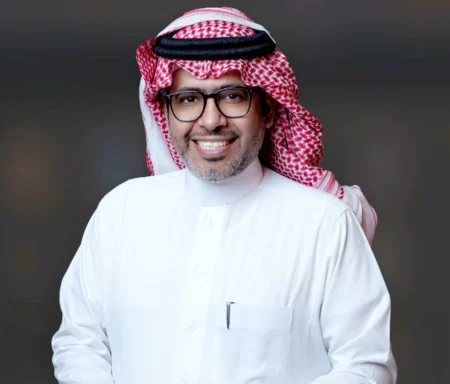









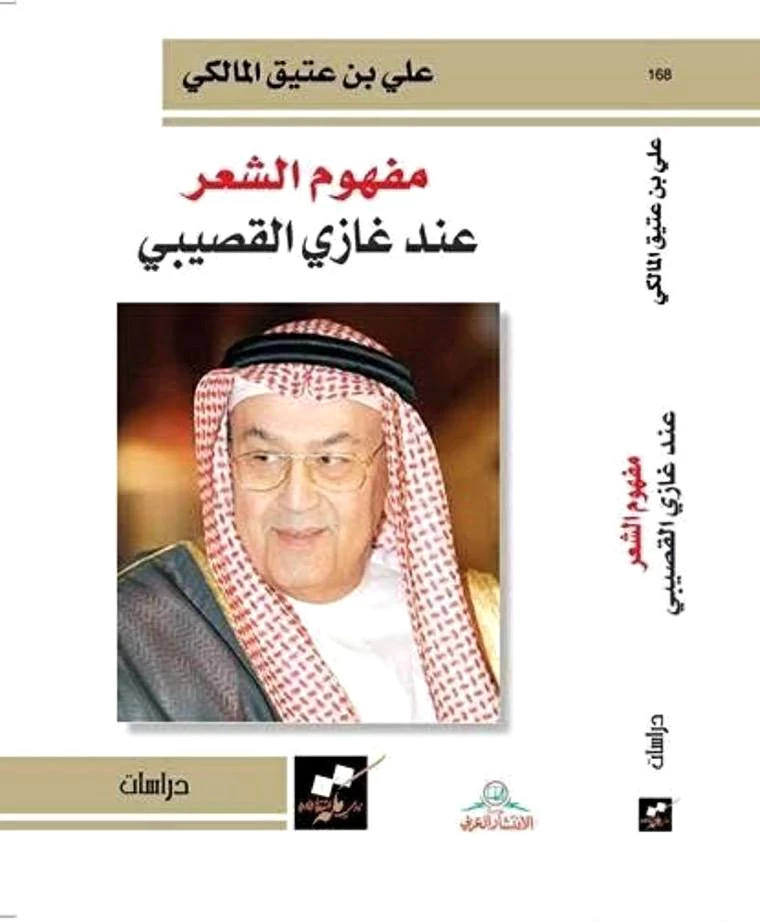
لشخصية الدكتور علي المالكي سمتٌ خاص، يُشعِر معارفه وأصدقاءه بأنّ علاقته بالأدب عضويّة، فهو على إرث كبير من التهذيب والرقي وفنّ التعامل، كما أنّ صوته الهادئ وهو يتحدث ينمّ عن عُمق معرفي وأخلاقي، يتجلى في طرحه، وفي ثقة من حوله به، وهو راصد بعين خبير للمشهد الثقافي المحلي والعربي والدولي، وفي إجاباته دليل على موهبته القرائية والنقدية، فإلى نص الحوار:
• ما سؤال الثقافة المُعاصر؟
•• يمكن أن يُنظر إلى هذا الأمر من زاويتين؛ الأولى تتعلّق بالثقافة باعتبارها منتجاً إنسانياً عالمياً، والأخرى بالثقافة باعتبارها منتجاً محلياً، فسؤال الثقافة من الزاوية الأولى يتمحور حول كيفية الاستفادة إيجابياً من التطوّر التقني والذكاء الاصطناعي، مع مراعاة عدم تحوّل الثقافة إلى منتج آلي بلا روح، ومن الزاوية الثانية فإنّ السؤال يتعالق جزئياً مع السؤال الأول من خلال البحث عن التوازن الإيجابي بين التفاعل والمساهمة في المنتج الثقافي العالمي دون فقدان البصمة الخاصة التي تحمل جينات التراث وملامح الهوية.
• هل انقلبت الثقافة على نفسها، ولذا غدا تعريفها اليوم انزياحياً؟
•• أعتقد أنّه عند الحكم على الثقافة من الداخل باعتبارها فعلاً إنسانياً متعدد المظاهر والأشكال، يمكن القول إنّ الثقافة هي عملية انزياح مستمرة، فهي تتغيّا التميّز وكسر حدود المألوف، وترفض الوقوع في فخ التقليد، ولكن عند النظر إليها من الخارج باعتبارها حالة زمنية تشكلّت ملامحها وتمّ تجاوزها بعد ذلك إلى حالة أخرى كنتيجة طبيعية للتغيير والتطوّر والتقدّم، هنا فقط يمكن القول بأنها تنقلب على نفسها باستمرار، ولكنه انقلاب يحمل صفة المراجعة، فعلى مستوى المصطلحات مثلاً نجد هناك أكثر من كلاسيكية ورومانسية وواقعية، فمثلاً هناك؛ الكلاسيكية، والكلاسيكية الجديدة، وقس على ذلك.
• من المؤكد -بحكم الدراسة في فرنسا- أنك تعقد مقارنات بين الثقافة في الغرب والثقافات العربية، ما وجه الشبه والاختلاف بينهما في ما رأيت وتابعت وقارنت؟
•• كنتُ محظوظاً بأن أقمت في فرنسا أكثر من 10 أعوام، ما بين دراسة الدكتوراه والعمل في منظمة اليونسكو، ما أكسبني تجارب عدة، إذ عشتُ فيها طالباً وموظّفاً، ما سمح لي بالاحتكاك بأجيال مختلفة في فترات متباينة، والتحاور معها. من هذا المنطلق أستطيع أن أقول إنّ الثقافة في الغرب -وتحديداً في فرنسا- هي ممارسة شعبية يومية على مستوى القراءة وعلى مستوى الحوار، فمثلاً لن تجد فرنسياً مهما كان مستواه التعليمي أو الاجتماعي لا يعرف موليير، وفيكتور هوغو، وبودلير، وغيرهم من الأسماء الأدبية المعروفة. في المقابل ما زالت الثقافات العربية ومجتمعاتها -وإنْ بشكلٍ فيه شكلٌ من التباين- تعتبر الثقافة ممارسة نخبوية يقوم بها بعض المثقفين أو غريبي الأطوار ممن يملكون ترف الوقت والمال حتى يقوموا بتضييعهما بين شراء الكتب وقراءتها والانشغال بها.
ونحن في المملكة محظوظون جداً، لأنّه منذ عقد من الزمان، تغيّر حضور الثقافة بشكل جذري وإيجابي، ما انعكس على النظرة الاجتماعية للثقافة وللمثقفين، وما نشهده من حراك وممارسات ومشاركات عالمية، شاهدٌ على ذلك، إذ أصبح هناك إيمان أقوى بدور الثقافة كقوة ناعمة لا تقلّ أهميةً وفعاليةً عن الدور الاقتصادي، ويمكنها أن تسهم بفعالية في الدور السياسي.
• لماذا يخامر البعض أنّ الثقافة العربية اليوم غير منتجة شأن ما كانت عليه قبل عقود؟
•• زرت معظم معارض الكتب في العالم العربي، هناك حراك وهناك إنتاج ثقافي كبير جداً.. في الدول العربية تمتد مدة المعرض إلى 10 أيام وربّما أسبوعين، بينما في باريس مثلاً التي توصف بأنّها عاصمة النور والثقافة لا تتجاوز مدة معرض الكتاب فيها ثلاثة أيام، وهذا يمكن أن يساعد في الإجابة على هذا السؤال، بأنّ الثقافة فعلٌ يُقاس بالكيف وليس بالكم، ولا يهم كم طبعة وكم نسخة طُبعت من الكتاب، ولكن المهمّ حجم التأثير الذي أحدثه، والأسئلة التي أوجدها، والصدى الذي يمكن أن نلمسه في أقوال الآخرين وكتاباتهم اللاحقة، وهذا يقود لسؤال الترجمة: كم نترجم نحن من الثقافات الأخرى؟ وكيف نستقبل تلك الترجمات ونحتفي بها؟ وكم يترجم الآخرون من إنتاجنا؟ وكيف يتفاعلون معه؟
إنّ الإجابة عن أسئلة الترجمة هي مفتاح حقيقي لإعادة اكتشاف ذاتنا الثقافية وتحديد موقعها من العالم.
• ألا تخشى من إسهام مواقع التواصل في تراجع الثقة بالثقافة، في ظل استسهال الكتابة؟
•• مع الأسف لم تعد مواقع التواصل خياراً بل أصبحت واقعاً يفرض نفسه، وينبغي التعامل معه بإيجابية، وفي ظلّ غياب النقد الموضوعي البعيد عن المدح والقدح، سنجد الكثير من الإنتاج الخالي من القيمة، ولكن أنا أثق بالمثقف الحقيقي، وبأنّه لا يمكن استغفاله بسهولة، فهو الغربال الذي يميّز الغثّ من السمين، وهنا يمكن توظيف مواقع التواصل من أجل كشف تلك الكتابات التي تكاد تخلو من القيمة أو الفائدة، رغم أنّي لا أحبذ فرض الوصاية الثقافية على أحد، إلا أننا نحتاجُ أحياناً لمن يمنحنا بعض الضوء لنتجنب تلك العثرات التي تعترض طريقنا، ويبقى بعد ذلك الخيار لنا في إكمال الطريق أو تغييره.
• ما أبرز خصائص الثقافة المنتجة؟ وما أبرز تجلياتها؟
•• أولى خصائصها أن تكون حيّة تتفاعل مع ذاتها رأسياً، وتراجع نفسها بموضوعية، وتبني على تراثها وماضيها دون تقديسه أو إلغائه، وأيضاً تتفاعل مع الآخر أفقياً، فتشارك في الإنتاج والترجمة والقراءة والنقد، معتبرةً نفسها جزءاً من الثقافة العالمية. ومن خلال تحقيق كلّ ما تقدّم يمكن أن يتجلّى حضورها بشكلٍ لا يمكن إنكاره.
• أين تضع دور الجامعات بين المؤسسات المعنيّة بالثقافة؟ وما مدى رضاك عن دورها؟
•• يفترض أنّ الجامعات هي من أهم الأماكن التي تصقل الوعي الفردي بالثقافة وأهميتها ودورها، وتكتشف المواهب وتحاول دعمها وإرشادها للطريق الذي يناسب ما تملكه من إمكانات، والحقيقة أنها بعيدة عن الدور المنتظر منها للمساهمة في الحقل الثقافي، ورغم تطوّر الوسائل والتقنيات ما زالت مع الأسف تتعامل بعقلية وطرق وأساليب تجاوزها الزمن، وأصبح همّها حالياً محصوراً في الربط بين الطالب والتخصص وسوق العمل، فأهدافها اقتصادية مادية بحتة، وأعتقد أنّها تحتاج للكثير من التقييم والمراجعة لأدواتها ومهماتها وأدوارها حتى تأخذ المكان الذي تستحقه في العملية الثقافية.
• كيف يمكن لأجيال الثقافة الشباب الاستفادة من المخضرمين؟ وكيف ترى تواصل الأجيال؟
•• ممّا يروى في كتب التراث أنّ الشاعر أبا تمّام طلب من البحتري أن يحفظ ألف بيت ثم ينساها ويبدأ بعد ذلك في النظم، ولهذا فإنّ الاطلاع على التجارب السابقة للمخضرمين واستيعابها مع الحذر من الوقوع تحت سلطتها الفنية والخضوع لسطوتها الفكرية هو الأساس الذي يمكن أن يكون نقطة الانطلاق الحقيقية لأدب أي كاتب شاب.
في ما يخص عملية التواصل بين الأجيال، نجد أنّه في الماضي كان الحصول على الكتب عملية شاقة تستلزم السفر أو توصية بعض الأصدقاء بجلب الكتب أو إرسالها عبر البريد، ناهيك عن تلك التي نفدت طبعاتها وأصبحت نادرة جداً، وحالياً أصبحت العملية معكوسة فالحصول على أي كتاب سهل وميسر، ولكن الوقت الكافي أصبح العنصر النفيس في هذه العملية التواصلية في ظلّ زيادة المعروض وتوفّره. لكل زمن ظروف تواصل تخلقها الظروف والتغييرات، وعلى كل جيل أن يحاول أن يتكيّف معها، ويجد أسلوبه الخاص للاتصال بماضيه. ما أقصده تحديداً أنّ وسائل الاتصال بين الأجيال اختلفت، وهذا سيؤثر بشكلٍ ما على باقي مكونات العملية الاتصالية.
• متى يمكن أن تموّل الثقافة والآداب نفسها؟
•• نشر الوعي بالثقافة في المجتمع بشكل مدروس وواسع، وفتح الأبواب للآخر للاطلاع بحرية على إنتاجنا الثقافي، سيساهم ذلك كلّه بشكل ملموس في تحويل رأس المال الرمزي المتمثّل في الكتب والمتاحف والآثار إلى مصدر دخل اقتصادي مهم، يمكن أن يجعل الثقافة كالنبات تقوم بعملية التمثيل الضوئي الخاصة بها وتعتمد على ذاتها، وتساهم كذلك في تنشيط ودعم اقتصاد باقي المجالات الأخرى ومنها السياحة مثلاً.
• أيهما أكثر حظوة اليوم؛ الكاتب أم القارئ؟
•• لا شك أنّ الكاتب فُتحت له أبواب كثيرة كانت مغلقة في وجهه سابقاً، كالترجمة والانتشار والحضور الإعلامي وتحويل بعض النصوص إلى أعمال مرئية أو مسموعة، وهو أمر إيجابي جداً، ولكن علينا ألا ننسى أنّ المنافسة بين الكتّاب ليست سهلة على الإطلاق، في ظلّ الانفتاح الإعلامي العالمي الحالي، ولهذا أجد القارئ لديه حظوة أكبر، ولكنهّا كذلك ليست خالصة، فهو ما زال يبحث عن وسيلة فعّالة لغربلة هذه الوفرة الإنتاجية غير المسبوقة التي تجعله يعطي الحيرة والتردد الكثير من الوقت يفوق أحياناً ذلك الذي يستثمره في القراءة الحقيقية التي تحقق له المتعة المنتظرة.
• هل تراجع النقد الأدبي وغدا الكُتّاب يتبادلون الكتابة النقدية من باب المجاملات؟
•• في مواقع التواصل الاجتماعي هناك الكثير من تبادل المجاملات، وهناك أحياناً القدح الذي ينطلق من مواقف شخصية وليست موضوعية نقدية، وهنا تكمن خطورة الأمر في كون السواد الأعظم من الجمهور موجودون يومياً في تلك المواقع، ما يجعلهم يبنون اختياراتهم ويضيعون أوقاتهم عقب ذلك في قراءة عمل أدبي اعتماداً مثلاً على تغريدة لكاتب أو ناقد تحمل حكماً قيمياً في سياق الرد على مجاملة لكاتب آخر أو مهاجمته، ولهذا يجد بعض النقّاد أنّ التعامل مع نصوص الأدباء الموتى أو الأجانب يحمل من الموضوعية أكثر بكثير من تلك التي تحظى بها النصوص الصادرة عن كتّاب عرب ما زالوا على قيد الحياة، ما قد يتسبب في مناكفات عبثية يُطلق عليها تضخيماً وجزافاً ومبالغةً «معارك نقدية»، وهي تبدأ وتنتهي من أمور لا علاقة لها بالثقافة لا من قريب أو بعيد.
• بماذا يمكن ضبط سيولة النشر والتوزيع؟
•• هناك وظيفة ما زالت تلعب دوراً جوهرياً في المشهد الأدبي الأوروبي وهي وظيفة المحرّر الأدبي، وهو شخص قارئ ومطلّع ويحمل فكراً يجعله يقيّم الكثير من النصوص تقييماً فنياً، ما يساعده بعد ذلك في مناقشة الكثير من النقاط مع الكاتب والتدخل في بناء النص لدرجة تصل أحياناً إلى هدمه بالكامل وإعادة بنائه وكتابته من جديد، وقد يكون لدى دار النشر مجموعة محررين في مجالات مختلفة. وهذه الوظيفة تكاد تكون معدومة في العالم العربي، إلاّ ما قلّ وندر، ولهذا تخرج الكثير من الكتب وهي تحمل الكثير من الأخطاء الفنية واللغوية والنحوية والإملائية، وتتكرر للأسف في الطبعات اللاحقة حتى وإنْ تغيّرت دار النشر، لأنه كما ذكرت سابقاً؛ النظرة تركّز على الكمّ وليس على الكيف. ولهذا فإن إعادة الاعتبار والقيمة لهذا العمل من شأنه -في رأيي- أن يضبط كثيراً هذا الطوفان العارم من الفوضى في عالم النشر والتوزيع.
• كيف تقرأ التوجّه لسحب بعض الجوائز بسبب الاستعانة بالذكاء الاصطناعي؟
•• هذا التوجّه يجعلنا ندخل إلى مجال «أخلاقيات التقنية والذكاء الاصطناعي»، فالأمر يحتاج إلى تقنين وإلى معايير يتمّ الاستناد إليها بشكل منضبط ومتفق عليه عالمياً، حتى وإنْ تمّ تعديلها وتغييرها من حينٍ لآخر، من أجل ضبط سبل الاستفادة من الذكاء الاصطناعي بطريقة تحافظ على روح العمل من جهة، وتحفظ للإنتاج البشري قيمته الحقيقية. وأعتقد أنّ المشكلة ستبقى لفترة طويلة من الزمن، لأنّ جوهرها يكمن في التطوّر المتسارع للذكاء الاصطناعي الذي لا يعطي الوقت الكافي للإنسان حتى يكيّف تلك المعايير مع ما يستجد في هذا المجال.
Dr. Ali Al-Maliki has a unique personality that makes his acquaintances and friends feel that his relationship with literature is organic. He carries a significant legacy of refinement, sophistication, and the art of interaction. His calm voice when he speaks reflects a deep intellectual and moral understanding, which is evident in his discourse and the confidence that those around him have in him. He observes the local, Arab, and international cultural scene with the eye of an expert, and his responses are a testament to his reading and critical talents. Here is the text of the interview:
• What is the question of contemporary culture?
•• This matter can be viewed from two angles; the first relates to culture as a global human product, and the other to culture as a local product. The question of culture from the first angle revolves around how to positively benefit from technological development and artificial intelligence, while ensuring that culture does not become a mechanical product devoid of spirit. From the second angle, the question is partially connected to the first by seeking a positive balance between interaction and contribution to the global cultural product without losing the unique imprint that carries the genes of heritage and features of identity.
• Has culture turned against itself, and is its definition today therefore shifting?
•• I believe that when judging culture from within, considering it a multifaceted human act, one can say that culture is a continuous process of shifting. It aims for distinction and breaking the boundaries of the ordinary, rejecting the trap of imitation. However, when viewed from the outside as a temporal state whose features have been formed and then surpassed into another state as a natural result of change, development, and progress, one can only say that it continuously turns against itself. But this is a turning that carries the characteristic of review. For example, at the level of terms, we find more than just classicism, romanticism, and realism; there is classical, neoclassical, and so on.
• It is certain – given your studies in France – that you make comparisons between Western culture and Arab cultures. What are the similarities and differences you have observed, followed, and compared?
•• I was fortunate to have lived in France for more than 10 years, between pursuing my doctorate and working at UNESCO, which provided me with various experiences. I lived there as a student and an employee, allowing me to interact with different generations at varying times and engage in dialogue with them. From this perspective, I can say that culture in the West – specifically in France – is a daily popular practice at the level of reading and dialogue. For instance, you will not find a French person, regardless of their educational or social level, who does not know Molière, Victor Hugo, Baudelaire, and other well-known literary figures. In contrast, Arab cultures and their societies – albeit with some variation – still consider culture an elitist practice carried out by certain intellectuals or eccentric individuals who have the luxury of time and money to waste between buying books, reading them, and being preoccupied with them.
We in the Kingdom are very fortunate because, for the past decade, the presence of culture has changed radically and positively, which has reflected on the social perception of culture and intellectuals. The movement and global participation we witness are evidence of this, as there is now a stronger belief in the role of culture as a soft power that is no less important and effective than the economic role, and it can effectively contribute to the political role.
• Why do some believe that Arab culture today is less productive than it was decades ago?
•• I have visited most of the book fairs in the Arab world, and there is movement and significant cultural production. In Arab countries, the duration of the fair extends to 10 days or even two weeks, while in Paris, for example, which is described as the capital of light and culture, the duration of its book fair does not exceed three days. This can help answer this question, as culture is an act measured by quality, not quantity. It does not matter how many editions or copies of a book have been printed; what matters is the impact it has made, the questions it has raised, and the resonance we can feel in the words and subsequent writings of others. This leads to the question of translation: how much do we translate from other cultures? How do we receive those translations and celebrate them? How much do others translate from our production? How do they interact with it?
Answering the questions of translation is a true key to rediscovering our cultural identity and determining its place in the world.
• Do you not fear that social media contributes to a decline in trust in culture, given the ease of writing?
•• Unfortunately, social media is no longer an option but has become a reality that must be dealt with positively. In the absence of objective criticism that is free from flattery and disparagement, we will find much production devoid of value. However, I trust the true intellectual, and I believe that they cannot be easily fooled. They are the sieve that distinguishes the chaff from the good. Here, social media can be employed to expose those writings that are almost devoid of value or benefit, although I do not favor imposing cultural guardianship on anyone. Yet, we sometimes need someone to shed some light to help us avoid the pitfalls that obstruct our path, and after that, the choice remains ours to continue on the path or change it.
• What are the most prominent characteristics of productive culture? What are its most notable manifestations?
•• The first characteristic is that it should be alive, interacting with itself vertically, reviewing itself objectively, and building on its heritage and past without sanctifying or abolishing it. It should also interact with the other horizontally, participating in production, translation, reading, and criticism, considering itself part of global culture. By achieving all of the above, its presence can manifest in an undeniable way.
• Where do you place the role of universities among institutions concerned with culture? How satisfied are you with their role?
•• Universities are supposed to be among the most important places that refine individual awareness of culture, its importance, and its role, discovering talents and trying to support and guide them toward the path that suits their capabilities. In reality, they are far from the expected role in contributing to the cultural field. Despite the development of means and technologies, they still, unfortunately, operate with a mentality and methods that have been surpassed by time. Their current concern is limited to linking students with their majors and the job market, making their goals purely economic. I believe they need a lot of evaluation and review of their tools, missions, and roles to take the place they deserve in the cultural process.
• How can the younger generations of culture benefit from the seasoned ones? How do you see the communication between generations?
•• It is narrated in heritage books that the poet Abu Tammam asked Al-Buhturi to memorize a thousand verses and then forget them and start composing afterward. Therefore, gaining insight from the previous experiences of the seasoned ones and absorbing them, while being cautious not to fall under their artistic authority and submit to their intellectual dominance, is the foundation that can serve as a true starting point for any young writer’s literature.
Regarding the communication process between generations, we find that in the past, obtaining books was a challenging process requiring travel or recommendations from friends to bring books or send them by mail, not to mention those that had run out of prints and became very rare. Currently, the process has reversed; obtaining any book is easy and accessible, but sufficient time has become the precious element in this communicative process amid the increase in availability. Each era has its communication circumstances created by conditions and changes, and each generation must try to adapt to them and find its own way of connecting with its past. What I specifically mean is that the means of communication between generations have changed, and this will affect, in some way, the other components of the communicative process.
• When can culture and literature fund themselves?
•• Raising awareness of culture in society in a studied and broad manner, and opening doors for others to freely access our cultural production, will all contribute significantly to transforming the symbolic capital represented in books, museums, and artifacts into an important source of economic income. This can make culture like a plant that performs its own photosynthesis and relies on itself, while also contributing to stimulating and supporting the economy of other fields, including tourism, for example.
• Who is more favored today; the writer or the reader?
•• There is no doubt that many doors have opened for the writer that were previously closed, such as translation, dissemination, media presence, and turning some texts into visual or audio works, which is very positive. However, we must not forget that competition among writers is not easy at all, given the current global media openness. Therefore, I find that the reader has a greater privilege, but it is not absolute; they are still searching for an effective means to sift through this unprecedented production abundance, which often makes them spend more time in confusion and hesitation than in actual reading that brings them the anticipated enjoyment.
• Has literary criticism declined, and have writers begun exchanging critical writing as a form of flattery?
•• On social media, there is much exchange of flattery, and sometimes disparagement arises from personal, rather than objective, critical stances. Here lies the danger, as the vast majority of the audience is present daily on those platforms, leading them to build their choices and subsequently waste their time reading a literary work based on, for example, a tweet from a writer or critic that carries a value judgment in response to a compliment for another writer or an attack on them. Thus, some critics find that dealing with the texts of deceased or foreign authors carries much more objectivity than that afforded to texts produced by living Arab writers, which may lead to absurd quarrels that are mistakenly labeled as “critical battles,” starting and ending with matters unrelated to culture in any way.
• How can the fluidity of publishing and distribution be regulated?
•• There is a role that still plays a fundamental part in the European literary scene, which is that of the literary editor. This is a person who is a reader and knowledgeable, possessing a mindset that allows them to evaluate many texts artistically, helping them discuss many points with the writer and intervene in the construction of the text to the extent that it sometimes leads to completely demolishing and rewriting it. A publishing house may have a group of editors in different fields. This role is almost nonexistent in the Arab world, except for rare cases. As a result, many books are published with numerous technical, linguistic, grammatical, and spelling errors, which unfortunately get repeated in subsequent editions even if the publishing house changes, because, as I mentioned earlier, the focus is on quantity rather than quality. Therefore, restoring the value and importance of this work, in my opinion, would significantly regulate this overwhelming flood of chaos in the world of publishing and distribution.
• How do you read the trend of withdrawing some awards due to the use of artificial intelligence?
•• This trend brings us into the realm of “ethics of technology and artificial intelligence.” The matter requires regulation and standards that are based on a disciplined and globally agreed-upon framework, even if they are modified and changed from time to time, in order to regulate ways to benefit from artificial intelligence in a manner that preserves the spirit of the work on one hand and maintains the true value of human production on the other. I believe that the problem will persist for a long time because its essence lies in the rapid development of artificial intelligence, which does not give enough time for humans to adapt those standards to what is new in this field.