










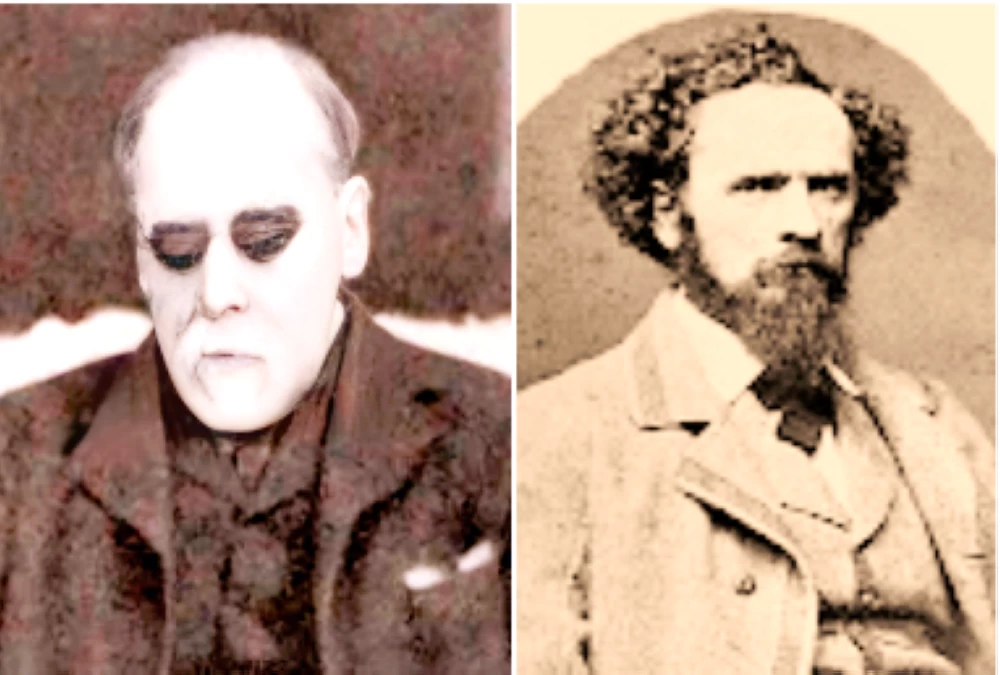
مما لا شك فيه، أن هناك جدلاً في العالم العربي حول الاستشراق والمستشرقين، أي حول أولئك العلماء والباحثين الغربيين الذين اقتربوا من الشرق، ولا سيما الشرق العربي والإسلامي، وامتزجوا بشعوبه بهدف دراسة لغاتهم وثقافاتهم وتاريخهم وعاداتهم وتقاليدهم وآدابهم ومعتقداتهم الدينية، بل هناك تشكيك دائم في نواياهم وأهدافهم، على الرغم من الجهد الكبير الذي بذلوه في تفصيل وتوثيق ما أهمله العرب والمسلمون، وهو جهد أثمر عن إصدار مؤلفات كثيرة باتت مرجعاً لمن أتى بعدهم من باحثين وأكاديميين.
يقول المستشرق الفرنسي كلود كوهين، إنه «ينبغي علينا أن نحذف كلمة الاستشراق من قاموسنا. فليس هناك نوعان من البشر.. البشرية هي واحدة في جوهرها، والعلم واحد للشرقي كما للغربي». وهو من دعا الباحثين المسلمين إلى التقيد بالمنهجية العلمية لتحدد وحدها قيمة أي بحث أو مؤلف. أما المستشرق والمؤرخ الفرنسي مكسيم رودنسون، فقد اعترف بضرورة إعادة النظر في بعض أسس الاستشراق؛ لأن «الاستشراق، رغم إنجازاته العلمية العديدة، له نواقص كثيرة، من أخطرها النزعة المركزية الأوروبية»، على حد قوله.
والثابت، أن المستشرقين الأوروبيين ركزوا جهودهم لفترة طويلة على دراسة أحوال الجزيرة العربية، ولا سيما ساحلها الشرقي المطل على الخليج العربي، وفي هذا الساحل كانت عُمان في بؤرة اهتماماتهم.
يقول الدكتور إبراهيم بن يحيى البوسعيدي، الأستاذ المساعد بقسم التاريخ في كلية الآداب والعلوم الاجتماعية بجامعة السلطان قابوس، في جلسة حوارية بعنوان «عُمان في كتابات الرحالة الأوروبيين» عقدت في مسقط في سبتمبر 2025، ما مفاده، أن الموقع الإستراتيجي لعُمان على مفترق طرق التجارة بين الهند والخليج وشرق أفريقيا كان سبباً وراء اهتمام الرحالة والمستشرقين الأوروبيين بعُمان، موضحاً أن الدوافع السياسية والاقتصادية تداخلت مع الدوافع الدينية والثقافية، بدليل أن كثيراً من رحلاتهم إلى المنطقة كانت تحت غطاء العلم والاكتشاف، بينما حمل بعضها أهدافاً تبشيرية أو استخباراتية أو مبررات استعمارية. لكن البوسعيدي استدرك، فاعترف بالقيمة البحثية لكتابات الرحالة والمستشرقين الأجانب، كونها لعبت دوراً في كشف أمور غابت عن المصادر المحلية، وبالتالي شكلت مادة ثرية يجب أن تدفعنا للتحقيق والنقد والتصحيح، وليس للقبول أو الرفض الأعمى.
وفي معرض استعراضه لبعض الأسماء الغربية التي انشغلت بعُمان، ولا سيما البريطانيون الذين كان لهم النصيب الأكبر من التوثيق والكشف في القرن التاسع عشر، أتى على ذكر «جون فراير» الذي زار مسقط عام 1677، وترك انطباعات سلبية ناقدة، و«جون أوفنجتون» الذي زار عُمان سنة 1693، وكتب عن تسامح أهلها قائلاً: «إن هؤلاء العمانيين على قدر كبير من دماثة الخلق، ويظهرون لطفاً وكرماً مع الغرباء، فلا يحتقرونهم ولا يلحقون بهم أذى، فالمرء يقطع في عُمان مئات الأميال دون أن يتعرض للغة نابية أو لأي سلوك فج». ثم توقف عند المستشرق «صموئيل باريت مايلز» (Samuel Barrett Miles)، الذي سنخصص هذه المادة لتوثيق حياته وتنقلاته الوظيفية ومؤلفاته، كونه مصدراً من أهم المصادر الرئيسية لوصف جغرافيا عُمان وقبائلها واقتصادها وتقاليد شعبها وحروبها القبلية وتقسيماتها الإدارية ونظمها الضريبية وحركة سفنها وتجارتها وأسواقها، ناهيك عن التطرق إلى محاصيلها الزراعية ووصف أغوارها وواحاتها ونظام الأفلاج وملابس وحلي سكانها ووسائل النقل والتعليم. وسنعتمد في الترجمة له على مصادر متنوعة، مثل كتاب «عُمان في عيون الرحالة البريطانيين، قراءة جديدة للاستشراق» لمؤلفه الدكتور هلال بن سعيد الحجري، وهو مؤلف صدر باللغة الإنجليزية وترجم نسخته العربية الدكتور خالد البلوشي سنة 2013، وأصدره عن دار الانتشار العربي في بيروت، إضافة إلى ما ورد عن المترجم له في الموسوعة العربية الحرة والصحافة العمانية ومجلة «نزوى» الثقافية الرصينة.
الضابط والدبلوماسي والمستشرق والمستعرب البريطاني «صموئيل باريت مايلز»، أبصر النور في الثاني من أكتوبر سنة 1838، ابناً لوالده اللواء مايلز، الذي كان يعمل في خدمة شركة الهند الشرقية آنذاك، وتلقى تعليمه في «مدرسة هارو» الداخلية النخبوية في لندن الكبرى. وفي عام 1857، انضم إلى جيش الهند البريطاني كحامل راية بفوج المشاة السابع المحلي في مدينة بومباي. وسرعان ما تمت ترقيته إلى رتبة ملازم في عام 1860. وفي غضون أربع سنوات، أصبح الضابط المسؤول عن تموين فوج المشاة السابع. وشهد نوفمبر سنة 1866، انتقاله مع فوجه إلى عدن ليخدم في هذه المستعمرة البريطانية الهامة، التي دخلت تحت الاحتلال البريطاني في عام 1839. ولم يمض عامان على انتقاله إلى عدن إلا وصاحبنا يُعيَّن حاكماً لمعسكرها ومساعداً للمقيم السياسي فيها. مما سبق يتبين، أن مايلز كان ذكياً ولماحاً ومجتهداً في مهامه وصاحب طموحات، وإلا لما حصل على ترقيات متتالية سريعة.
في مارس من عام 1869، عاد مايلز مع فوجه إلى الهند، وبعد فترة قصيرة تقدم إلى رؤسائه بطلب التحول من الخدمة العسكرية إلى الخدمة في المجال السياسي، فتمت الاستجابة لطلبه، وأرسل أولاً للعمل في مقاطعة بلوشستان، وفي عام 1872 صار وكيلاً سياسياً وقنصلاً لبريطانيا العظمى في مسقط، كما أنه عمل وكيلاً سياسياً لبريطانيا في بعض مناطق شبه الجزيرة العربية التي كانت خاضعة للحكم العثماني، وعُيّن قنصلاً عاماً لبلاده في بغداد سنة 1879، ووكيلاً سياسياً وقنصلاً عاماً في زنجبار سنة 1881، ووكيلاً سياسياً في المقاطعة الشمالية الغربية من الهند البريطانية سنة 1885، قبل أن يتولى منصب المقيم السياسي لبريطانيا العظمى بالإنابة في الخليج العربي من عام 1885 إلى 1886. وفي عام 1887، عاد إلى الهند وتمت ترقيته إلى رتبة عقيد، وأرسل ليخدم بلاده سياسياً في ميوار بولاية راجستان الهندية، وكانت هذه آخر مهامه، إذ ظل يؤديها حتى سنة 1893، ليتقاعد بعدها ويعود إلى مسقط رأسه في إنجلترا، ويشرع في كتابة بحوثه التي نشرتها الجمعية الملكية الجغرافية. وفي 28 أغسطس 1914، توفي مايلز عن عمر ناهز 75 عاماً، تاركاً خلفه زوجته «إلين ماري كاي»، التي اقترن بها سنة 1877، والتي أنجبت له ابناً واحداً هو «هاري وليام مايلز»، الذي قتل في الحرب العالمية الأولى (1914 ــ 1918). كان مايلز ينوي أن يحول ملاحظاته ومذكراته إلى كتاب، لكن ما منعه هو أنه أصيب بالعمى قبل رحيله بعدة سنوات. وبعد وفاته بخمس سنوات، أي في عام 1919، قامت أرملته بتحقيق رغبته، فنشرت بحوثه ومذكراته ومدوناته في كتاب تحت عنوان «دول وقبائل الخليج الفارسي».
ما يهمنا هنا هو فترة عمل مايلز في عُمان، التي أمضى بها معظم حياته المهنية (تسع سنوات) كوكيل سياسي وقنصل. حيث وصل صاحبنا إلى هذه البلاد في وقت حرج من عهد السلطان تركي بن سعيد بن سلطان (تولى الحكم في 1871 حتى تاريخ وفاته في عام 1888)، أي في الوقت الذي كان فيه السلطان يواجه ثورة دينية بقيادة الإمام عزان بن قيس. فاستطاع السلطان هزيمة خصومه ووأد ثورتهم بمساعدة من بريطانيا ومن أخيه السيد ماجد بن سعيد حاكم زنجبار. وبعد أن استتبت الأوضاع الداخلية شرع مايلز في القيام برحلات من مسقط إلى المناطق الداخلية من عُمان بهدف اكتساب فهم أفضل ومعرفة أوسع بالشخصية العمانية لأغراض دبلوماسية، وتطوير معلوماته حول تاريخ المنطقة وأحوالها الاجتماعية والديموغرافية ومواردها الزراعية والمائية والسمكية، فزار البريمي وصحار ونخل وسمائل والجبل الأخضر والظاهرة وظفار وصور وطيوي وقلهات وغيرها. ومما لا جدال فيه، أن تلك الرحلات ساهمت كثيراً في منحه فرصة الاطلاع الواسع على شؤون وشجون عُمان وما حولها، والرصد الدقيق لأحوالها وظروفها في أواخر القرن التاسع عشر، فأضاف إلى ثقافته ومعارفه الكثير.
كتب الدكتور ناصر سيف السعدي، أستاذ مساعد كرسي اليونيسكو لدراسات الأفلاج وعلم المياه الاجتماعي بجامعة نزوى، والمهتم بالتاريخ الاجتماعي والاقتصادي، عن مايلز وكتاباته حول عُمان منتقداً إياه بقسوة، فقال إن كتاباته واحدة من أبرز الكتابات الغربية التي تناولت المجتمع العماني في القرن التاسع عشر، حيث قدم مادة مهمة حول جغرافية وثقافة عُمان. لكن السعدي استدرك ليقول، إن تلك الكتابات كشفت عن رؤية استشراقية مشحونة بصور مشوهة لعُمان الأرض والإنسان. وكان في هذا يشير إلى تقارير وانطباعات سجلها الرجل خلال الفترات الثلاث التي عمل أثناءها في الوكالة السياسية البريطانية في مسقط (من 1872 إلى 1877، ثم من 1878 إلى 1879، ثم من 1883 إلى 1886)، أنكر فيها مايلز على العمانيين مساهمتهم وإنجازاتهم الثقافية والمعمارية والحضارية، ونسبها إلى الحضارة الفارسية.
كما تحامل السعدي على مايلز، الذي نشر أولى مقالاته عن عُمان في مجلة البنغال عام 1875، ثم اتبعها بمقالة عن الجبل الأخضر في المجلة الملكية الجغرافية عام 1901، فوصفه بممثل «قوة استعمارية مخادعة، ذات وجه شيطاني، تزرع الفتنة وتفرق الجماعة وتستنزف الأرض والكرامة»، وانتقد بشدة اهتمامه وتركيزه على الجوانب المادية دون الإنسانية.
والحقيقة، أن مايلز قدم بالفعل صوراً سلبية للجوانب السلوكية والظواهر الاجتماعية في المجتمع العماني في زمنه، وأصدر أحكاماً قاسية حول السلوك العام للإنسان العماني، لكن تلك الصور كانت قليلة ومحدودة نسبياً، لأنه لم يشغل نفسه بتحليل شخصية الإنسان العماني ومجتمعه قدر اهتمامه بالجوانب المادية والإنجازات الحضارية، كالعمران والطرق والقلاع والحصون والأبراج والأفلاج والطواحين، وكلها معالم حضارية أرجعها مايلز إلى تأثيرات خارجية، نافياً ارتباطها بمهارات وأفكار وإنجازات محلية صرفة.
الأدب الإغريقي والروماني
لقد كان مايلز، إلى جانب كونه معتمداً سياسياً ورحالة، باحثاً في الأدب الإغريقي والروماني وعالماً في اللغة والثقافة العربيتين، فاستطاع بهذه الخلفية المعرفية أن ينجز عشرة من المؤلفات والبحوث المهمة. فعلاوة على كتابه «دول وقبائل الخليج الفارسي» المنوه عنه سابقاً، أصدر المؤلفات التالية:
* نبذة مختصرة عن تاريخ وجغرافيا الجزيرة العربية (1873).
* على الطريق بين صحار والبريمي في عُمان، مع ملاحظة عن الزط (الغجر) في شبه الجزيرة العربية (1877).
* رحلة في عُمان، في جنوب شرق شبه الجزيرة العربية (1896).
* عبر الجبل الأخضر في عُمان (1901).
* على حدود الصحراء الكبرى: رحلة في عُمان (1910).
* عقائد المذهب الأباضي.
* الخطوط العريضة لتاريخ عُمان ما بين 1728 – 1883.
* ملاحظة على قبائل عُمان.
* ملاحظة على مذهب أباضية عُمان.
وبالتمعن في مؤلفاته وبحوثه، نجد أنه كتب عن عُمان موضوعات متنوعة، بينها موضوعات لم يتطرق إليها غيره من المستشرقين والرحالة الأجانب السابقين أو اللاحقين، كموضوع الأعراق. حيث تناول مايلز بالبحث «الزط» أو الغجر في عُمان، فبين أصولهم وصفاتهم الجسمانية ولغتهم وعاداتهم وحرفهم ومواقع وجودهم. كما تناول بالبحث الأصول العرقية لسكان الشريجة في الجبل الأخضر، فقال إنهم من بقايا الغزو الفارسي لعُمان في النصف الثاني من القرن العاشر الميلادي، ممن وصلوا إلى الجبل الأخضر ونجحوا في السيطرة عليه، قبل أن يُطردوا جميعاً باستثناء قلة قليلة انصهرت تدريجياً مع قبائل المنطقة، لجهة اللغة والزي والعادات والمهن، مع احتفاظهم بخصوصياتهم.
التقسيمات القبلية في عُمان
ومن الأمور الأخرى التي ميزت كتب مايلز، تطرقها إلى التقسيمات القبلية في عُمان وحروب القبائل، التي كان المؤلف شاهداً عليها وعلى ما أسفرت عنه من محن. فقال مثلاً: «إن الحرب الأهلية التي انتهت فعلياً بانتخاب ناصر بن مرشد إماماً عام 1624، تعد علامة بارزة في التاريخ العماني، إذ قسمت البلاد أكثر من أي وقت مضى إلى فئتين متنافستين: الهناوية، والغافرية». وأضاف، في موضع آخر، أن: «القبائل دائماً في صراع، وقتال هو في الواقع أقرب إلى المناوشات منه إلى الحرب، وجرت العادة في هذه المناوشات أن يبدأ المقاتلون بإطلاق بعضهم النار على بعض عبر الخندق من الخلف، تتبع ذلك مناوشات شفهية، كل فريق يوبخ الآخر، ويستفزه ساخراً منه بغضب، حتى يلتقيا مستخدمين السيوف العمانية ذات الحدين استخداماً فاعلاً مؤثراً».
غير أن مايلز لم يفته التأكيد على أنه رغم تلك الحروب والمناوشات القبلية، فإن للعمانيين قدرة عجيبة على تجاوز خلافاتهم والتوحد معاً في حال تعرض أمن بلادهم للخطر الخارجي، ولهذا وصفهم بالشعب الأبي الأصيل المعتد بنفسه، ذي القدرة على استعادة حيويته وعافيته، مثلما وصفهم بالشعب القنوع البسيط في عاداته.
There is no doubt that there is a debate in the Arab world regarding Orientalism and Orientalists, that is, those Western scholars and researchers who approached the East, particularly the Arab and Islamic East, and mingled with its peoples with the aim of studying their languages, cultures, histories, customs, traditions, literatures, and religious beliefs. There is even a constant skepticism about their intentions and goals, despite the significant effort they exerted in detailing and documenting what Arabs and Muslims neglected, an effort that resulted in the publication of many works that have become references for those who came after them, including researchers and academics.
The French Orientalist Claude Cohen states, “We should remove the word Orientalism from our vocabulary. There are not two types of humans… humanity is one in its essence, and knowledge is the same for the Eastern as it is for the Western.” He called on Muslim researchers to adhere to scientific methodology to determine the value of any research or work. As for the French Orientalist and historian Maxime Rodinson, he acknowledged the necessity of re-evaluating some foundations of Orientalism, because “Orientalism, despite its many scientific achievements, has many shortcomings, the most dangerous of which is the European centrality,” as he put it.
It is established that European Orientalists focused their efforts for a long time on studying the conditions of the Arabian Peninsula, particularly its eastern coast overlooking the Arabian Gulf, and in this coast, Oman was at the center of their interests.
Dr. Ibrahim bin Yahya Al-Busaidi, an assistant professor in the Department of History at the College of Arts and Social Sciences at Sultan Qaboos University, stated in a panel discussion titled “Oman in the Writings of European Travelers” held in Muscat in September 2025, that the strategic location of Oman at the crossroads of trade between India, the Gulf, and East Africa was the reason behind the interest of European travelers and Orientalists in Oman. He clarified that political and economic motives intertwined with religious and cultural motives, as evidenced by the fact that many of their journeys to the region were under the guise of science and discovery, while some carried missionary, intelligence, or colonial justifications. However, Al-Busaidi acknowledged the research value of the writings of foreign travelers and Orientalists, as they played a role in revealing matters that were absent from local sources, and thus constituted a rich material that should drive us to investigation, critique, and correction, rather than blind acceptance or rejection.
While reviewing some Western names that were preoccupied with Oman, particularly the British who had the largest share of documentation and discovery in the 19th century, he mentioned “John Fryer,” who visited Muscat in 1677 and left negative critical impressions, and “John Offington,” who visited Oman in 1693 and wrote about the tolerance of its people, saying: “These Omanis are of great courtesy, showing kindness and generosity to strangers, they do not despise them nor harm them, a person can travel hundreds of miles in Oman without encountering any foul language or rude behavior.” He then paused at the Orientalist “Samuel Barrett Miles,” to whom we will dedicate this material to document his life, career movements, and writings, as he is one of the most important primary sources for describing the geography of Oman, its tribes, its economy, the traditions of its people, its tribal wars, its administrative divisions, its tax systems, the movement of its ships, its trade, and its markets, not to mention discussing its agricultural products, describing its depths and oases, the aflaj system, the clothing and jewelry of its inhabitants, and means of transport and education. We will rely on various sources for his translation, such as the book “Oman in the Eyes of British Travelers: A New Reading of Orientalism” by Dr. Hilal bin Said Al-Hajri, which was published in English and translated into Arabic by Dr. Khalid Al-Balushi in 2013, published by Dar Al-Intishar Al-Arabi in Beirut, in addition to what is mentioned about him in the Arabic Wikipedia, Omani press, and the reputable cultural magazine “Nizwa.”
The British officer, diplomat, Orientalist, and Arabist “Samuel Barrett Miles” was born on October 2, 1838, the son of General Miles, who was then serving the East India Company, and he received his education at the elite Harrow School in Greater London. In 1857, he joined the British Indian Army as a standard bearer in the 7th local infantry regiment in Bombay. He was soon promoted to the rank of lieutenant in 1860. Within four years, he became the officer responsible for supplying the 7th infantry regiment. In November 1866, he transferred with his regiment to Aden to serve in this important British colony, which came under British occupation in 1839. It was not long after his transfer to Aden that he was appointed governor of its camp and assistant to the political resident there. From the above, it is clear that Miles was intelligent, perceptive, diligent in his tasks, and ambitious; otherwise, he would not have received successive rapid promotions.
In March 1869, Miles returned with his regiment to India, and shortly thereafter, he submitted a request to his superiors to transfer from military service to political service, which was granted. He was first sent to work in the province of Balochistan, and in 1872, he became the political agent and consul for Great Britain in Muscat. He also served as a political agent for Britain in some areas of the Arabian Peninsula that were under Ottoman rule, and he was appointed consul general for his country in Baghdad in 1879, a political agent and consul general in Zanzibar in 1881, and a political agent in the northwestern province of British India in 1885, before assuming the position of acting political resident for Great Britain in the Arabian Gulf from 1885 to 1886. In 1887, he returned to India and was promoted to the rank of colonel, and he was sent to serve politically in Mewar in the Indian state of Rajasthan, which was his last assignment, as he continued in it until 1893, after which he retired and returned to his birthplace in England, where he began writing his research published by the Royal Geographical Society. On August 28, 1914, Miles passed away at the age of 75, leaving behind his wife “Ellen Mary Kay,” whom he married in 1877, and who bore him one son, “Harry William Miles,” who was killed in World War I (1914-1918). Miles intended to turn his notes and memoirs into a book, but what prevented him was that he became blind several years before his death. Five years after his death, in 1919, his widow fulfilled his wish by publishing his research, memoirs, and notes in a book titled “Countries and Tribes of the Persian Gulf.”
What interests us here is the period of Miles’s work in Oman, where he spent most of his professional life (nine years) as a political agent and consul. He arrived in this country at a critical time during the reign of Sultan Turki bin Said bin Sultan (who ruled from 1871 until his death in 1888), at a time when the Sultan was facing a religious uprising led by Imam Azan bin Qais. The Sultan was able to defeat his opponents and quell their uprising with the help of Britain and his brother Sayyid Majid bin Said, the ruler of Zanzibar. After the internal situation stabilized, Miles began to undertake journeys from Muscat to the interior regions of Oman to gain a better understanding and broader knowledge of the Omani character for diplomatic purposes, and to develop his information about the region’s history, social and demographic conditions, and its agricultural, water, and fishery resources. He visited Al-Buraimi, Sohar, Nakhal, Samail, Jebel Akhdar, Al-Dhahira, Dhofar, Sur, Tiwi, Qalhat, and others. Undoubtedly, these journeys greatly contributed to giving him the opportunity to gain extensive insight into the affairs and concerns of Oman and its surroundings, and to accurately observe its conditions and circumstances in the late 19th century, thus adding much to his culture and knowledge.
Dr. Nasser Saif Al-Saadi, an assistant professor of the UNESCO Chair for Aflaj Studies and Social Water Science at Nizwa University, who is interested in social and economic history, wrote critically about Miles and his writings on Oman, stating that his writings are among the most prominent Western writings that addressed Omani society in the 19th century, as he provided important material on the geography and culture of Oman. However, Al-Saadi noted that these writings revealed an Orientalist perspective charged with distorted images of Oman, both land and people. He referred to reports and impressions recorded by the man during the three periods he worked in the British political agency in Muscat (from 1872 to 1877, then from 1878 to 1879, and then from 1883 to 1886), in which Miles denied the contributions and cultural, architectural, and civilizational achievements of the Omanis, attributing them to Persian civilization.
Al-Saadi also criticized Miles, who published his first articles about Oman in the Bengal Magazine in 1875, followed by an article about Jebel Akhdar in the Royal Geographical Magazine in 1901, describing him as a representative of “a deceptive colonial power, with a devilish face, sowing discord, dividing communities, and draining the land and dignity,” and harshly criticized his focus on material aspects over human ones.
In truth, Miles did indeed present negative images of behavioral aspects and social phenomena in Omani society in his time, and issued harsh judgments about the general behavior of the Omani people, but those images were relatively few and limited, as he did not occupy himself with analyzing the character of the Omani person and his society as much as he was concerned with material aspects and civilizational achievements, such as urbanization, roads, castles, forts, towers, aflaj, and mills, all of which are civilizational landmarks that Miles attributed to external influences, denying their connection to purely local skills, ideas, and achievements.
Greek and Roman Literature
In addition to being a political agent and traveler, Miles was a researcher in Greek and Roman literature and a scholar of the Arabic language and culture, and with this knowledge background, he was able to produce ten important works and research papers. In addition to his previously mentioned book “Countries and Tribes of the Persian Gulf,” he published the following works:
* A Brief Overview of the History and Geography of the Arabian Peninsula (1873).
* On the Road Between Sohar and Al-Buraimi in Oman, with a Note on the Zott (Gypsies) in the Arabian Peninsula (1877).
* A Journey in Oman, in the Southeast of the Arabian Peninsula (1896).
* Across Jebel Akhdar in Oman (1901).
* On the Borders of the Great Desert: A Journey in Oman (1910).
* The Beliefs of the Ibadi Sect.
* Outlines of the History of Oman between 1728 – 1883.
* A Note on the Tribes of Oman.
* A Note on the Ibadi Sect of Oman.
Upon examining his works and research, we find that he wrote about various topics concerning Oman, including subjects that were not addressed by other previous or later Orientalists and foreign travelers, such as the topic of ethnicities. Miles researched the “Zott” or Gypsies in Oman, detailing their origins, physical traits, language, customs, crafts, and locations. He also researched the ethnic origins of the inhabitants of Al-Sharijah in Jebel Akhdar, stating that they are remnants of the Persian invasion of Oman in the second half of the 10th century AD, who reached Jebel Akhdar and succeeded in controlling it, before being expelled, except for a few who gradually merged with the tribes of the region in terms of language, attire, customs, and professions, while retaining their distinct characteristics.
Tribal Divisions in Oman
Another aspect that distinguished Miles’s books was their discussion of tribal divisions in Oman and tribal wars, which the author witnessed and the hardships they resulted in. He stated, for example: “The civil war that effectively ended with the election of Nasir bin Murshid as Imam in 1624 is a landmark in Omani history, as it divided the country more than ever into two competing factions: the Hanawiya and the Ghafariya.” He added, in another instance, that: “The tribes are always in conflict, and the fighting is actually closer to skirmishes than to war, and it is customary in these skirmishes for the fighters to start shooting at each other from behind the trench, followed by verbal skirmishes, with each side rebuking the other and provoking them angrily, until they meet using the effective and impactful Omani double-edged swords.”
However, Miles did not fail to emphasize that despite these wars and tribal skirmishes, the Omanis have a remarkable ability to overcome their differences and unite when their country’s security is threatened from the outside, which is why he described them as a proud, self-respecting people, capable of regaining their vitality and health, as well as describing them as a simple, content people in their customs.