










من بين الحقول الزراعية في اليمن، خرج إيقاع بسيط وكلمات عفوية، ليجد طريقه بصورة مفاجئة إلى ملايين الشاشات حول العالم. إنها أهزوجة (دق دق سبعتين)، التي تحولت خلال الأيام الأخيرة إلى واحدة من أكثر العبارات تداولًا على منصات التواصل الاجتماعي، بعدما أعاد مستخدمون يمنيون وعرب وأجانب تقديمها بأشكال مختلفة؛ من المقاطع الكوميدية والرقص إلى التوزيعات الموسيقية والأداءات الحديثة.
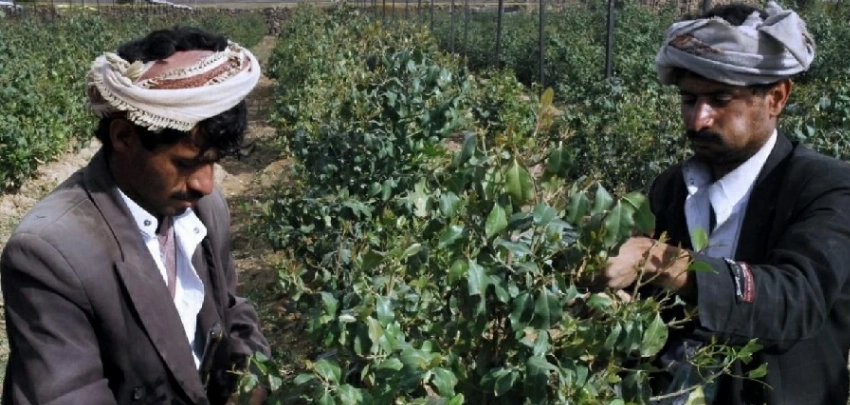
لكن وراء هذا الترند قصة أقدم بكثير من (تيك توك) و(إنستغرام) و(يوتيوب). فالأغنية، بحسب ما أوردته (BBC عربي) ومصادر يمنية وعربية، تعود إلى فن «المهجل» اليمني؛ وهو لون من الفلكلور الشعبي الشفهي ارتبط تاريخيًا بالعمل الزراعي، وكان المزارعون يرددونه في الحقول لتخفيف مشقة العمل وبثِّ الحماس والنشاط بين العاملين.
من أين جاءت «دق دق 77»؟
المهجل ليس أغنية بالمعنى الحديث للكلمة؛ فهو تراث شفهي تناقلته الأجيال، وغالبًا ما كان يولد من لحظة العمل نفسها، بكلمات بسيطة وإيقاع منتظم قابل للترديد الجماعي. وتؤكد دراسات ومواد متخصصة في التراث اليمني أن المهاجل رافقت مواسم الزراعة والحصاد والحراثة، واختلفت من منطقة إلى أخرى ومن موسم زراعي إلى آخر.
وتشير المصادر إلى أن النسخ القديمة من المهجل تختلف عن الكلمات التي يعرفها الجمهور اليوم باسم (دق دق سبعتين). ومن العبارات المتداولة في الروايات الأقدم: «سبعتاي دق دق سبعتاي.. صباح الخير جلجلة.. على البيض المحجلة.. على كم من سفرجلة»، وهي صيغة تؤكد أن اللحن والكلمات لم يكونا وليدي موجة التواصل الاجتماعي الحالية.
أما النسخة التي اجتاحت المنصات حديثًا، فتتكرر فيها عبارة «دق دق سبعتين.. سبعة صفر مرتين»، وهي التي منحت الأهزوجة اسمها الشهير في الترند.

ما سرُّ «77»؟
الرقم 77 ليس عشوائيًا في النسخة الحديثة؛ فهو من مقدمات أرقام الهواتف المحمولة في اليمن، ويرتبط بشبكة موبايل في اليمن. وتؤكد بيانات الاتحاد الدولي للاتصالات أن المقدمة 77 مخصصة لهذه الشبكة.
ومن هنا جاءت لعبة الكلمات في النسخة المنتشرة: «سبعتين» في إشارة إلى 77، ثم «سبعة صفر مرتين» في تركيب شعبي ساخر جعل العبارة سهلة الحفظ والتكرار، وساعدها على التحول إلى جملة تصلح لإعادة الاستخدام في عدد لا نهائي من المقاطع.
ومع انتشار الترند، ظهرت نسخ تستبدل بقية الكلمات بأسماء أشخاص وأرقام وعبارات مختلفة، وهو ما جعل اللحن نفسه يتحول إلى قالب مفتوح يمكن لأي مستخدم أن يعيد تشكيله وفق فكرته أو محتواه.


كيف خرج المهجل من الحقول إلى العالم؟
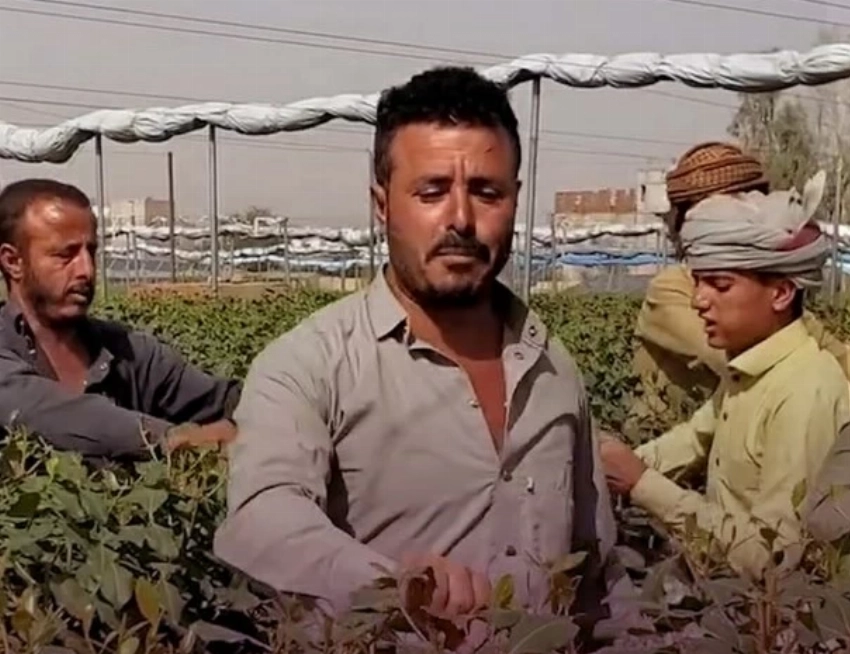
القفزة الكبرى جاءت من مقطع عفوي مصور في بيئة زراعية يمنية، ظهر فيه شاب يردد المهجل إلى جانب مزارعين، قبل أن تنتقل اللقطة من التداول المحلي إلى منصات التواصل على نطاق واسع. وبحسب (يمن ديلي نيوز)، ساهمت إعادة نشر المقطع، ثم إعادة إنتاجه بتوزيعات موسيقية وأداءات مختلفة، في دفع اللحن إلى واجهة الترند.
بعد ذلك بدأت مرحلة جديدة من عمر الأهزوجة؛ فالمستخدمون لم يكتفوا بإعادة نشر المقطع الأصلي، بل صنعوا منه نسخًا جديدة، وأضاف بعضهم توزيعات موسيقية حديثة، فيما استخدم آخرون تقنيات الذكاء الاصطناعي لإعادة إنتاج اللحن بأصوات وأساليب مختلفة. وظهرت كذلك نسخ بأداءات أجنبية، الأمر الذي ساعد على تجاوز (الترند) حدوده اليمنية والعربية.
وهنا تكمن المفارقة اللافتة: فن وُلد في الحقول لمساعدة المزارعين على مواصلة العمل، أعادته التكنولوجيا إلى الواجهة العالمية.
لماذا انتشر بهذه السرعة؟
يبدو أن طبيعة المهجل نفسها ساعدت على ذلك؛ فالإيقاع قصير وواضح، والجملة سهلة التكرار، والعبارة الرئيسية «دق دق سبعتين» تعلق سريعًا في الذاكرة.
كما أن طبيعة منصات التواصل تقوم أساسًا على المقاطع القصيرة القابلة لإعادة الاستخدام، وهو ما منح اللحن فرصة لأن يتحول من أغنية إلى (صوت ترند) يمكن تركيب الفيديوهات عليه، وتغيير كلماته، وإعادة توزيعه مرات لا تحصى.
ولم يقتصر الأمر على اليمن؛ فقد انتقلت الأهزوجة إلى محتوى عربي وأجنبي، وظهرت نسخ موسيقية وأخرى ساخرة، وهو ما دفع وسائل إعلام عربية ودولية إلى تناول القصة.
«المهجل».. تراث أقدم من الترند
وراء الضجة الرقمية تقف حكاية تراثية أكثر عمقًا؛ فالمهجل اليمني واحد من ألوان التراث الشعبي الشفهي، ومفرده «مَهْجَل»، وتؤدى المهاجل بصورة فردية أو ثنائية أو جماعية بحسب طبيعة العمل.
وكان المزارعون يرددونها أثناء الحراثة والبذر والحصاد وغيرها من الأعمال، فيما ارتبط بعضها بمواسم زراعية محددة. ولم تكن وظيفتها ترفيهية فقط، بل كانت وسيلة لتحفيز العاملين، وتخفيف الرتابة، والتعبير عن المشاعر والأحوال اليومية.
وتشير مصادر متخصصة إلى أن هذا الفن ظل ينتقل شفهيًا بين الأجيال، لذلك يصعب في كثيرٍ من الأحيان تحديد مؤلف محدد له أو تاريخ دقيق لظهور كل مهجل، وهو ما ينطبق على كثير من الموروث الشعبي اليمني.
كما واجهت المهاجل، خلال السنوات الماضية، خطر التراجع مع تغير أنماط الحياة، وتراجع العمل الزراعي التقليدي، وانتقال كثير من أبناء الريف إلى المدن أو خارج البلاد، فضلًا عن استخدام الآلات الزراعية التي قللت من المساحات الزمنية التي كان المزارعون يؤدون فيها هذه الأهازيج.
شهرة لم تكن بلا ثمن
وفي الجانب الآخر من قصة الشهرة، ظهرت أيضًا تداعيات غير متوقعة على صاحب المقطع الذي ارتبط بانتشار النسخة الحديثة. ووفق (يمن ديلي نيوز)، تحدث الشاب لاحقًا عن تعرضه للاستدعاءات والمضايقات، بعدما أصبح المقطع واسع الانتشار، ودخل في خلافات مع أشخاص قالوا إنهم أصحاب الفكرة أو الترند.
وهكذا، تحولت دقائق قليلة من الغناء الشعبي إلى ظاهرة رقمية تجاوزت حدود اليمن، وأصبحت الأهزوجة التي كانت ترافق المزارع في الحقل حاضرة في هواتف ومقاطع جمهور من ثقافات مختلفة.
ترند عابر أم عودة حقيقية للتراث؟
ربما تكون أهم نتيجة حققتها (دق دق سبعتين) أنها أعادت الانتباه إلى المهجل اليمني نفسه؛ فخلف العبارة التي يرددها الملايين اليوم يقف تراث شفهي طويل ظل بعيدًا عن الأضواء، ولم يكن معروفًا لدى كثير من الجمهور العربي خارج اليمن.
وقد يكون الترند عابرًا، كما هي طبيعة كثير من ظواهر المنصات، لكن وصول (دق دق سبعتين) إلى جمهور عالمي يطرح سؤالًا أبعد من حدود الشهرة: هل يمكن أن تتحول هذه اللحظة إلى فرصة لتوثيق المهاجل اليمنية وحفظها ونقلها إلى الأجيال الجديدة؟
فالأهزوجة التي خرجت من الحقول أثبتت أن التراث، مهما بدا محليًا وبسيطًا، يستطيع في عصر المنصات الرقمية أن يعبر الحدود في لحظة واحدة؛ وأن جملة قصيرة مثل «دق دق سبعتين» قد تكون أحيانًا بوابة لاكتشاف حكاية ثقافية عمرها أجيال.
Among the agricultural fields in Yemen, a simple rhythm and spontaneous words emerged, finding their way unexpectedly to millions of screens around the world. It is the chant “Daq Daq Sab’ateen,” which has recently transformed into one of the most circulated phrases on social media platforms, as Yemeni, Arab, and foreign users have reintroduced it in various forms; from comedic clips and dance to musical arrangements and modern performances.
However, behind this trend lies a story much older than TikTok, Instagram, and YouTube. The song, according to BBC Arabic and Yemeni and Arab sources, dates back to the Yemeni “Mahjal” art; a form of oral folk tradition historically linked to agricultural work, which farmers would chant in the fields to alleviate the hardships of labor and to instill enthusiasm and energy among the workers.

Where did “Daq Daq 77” come from?
The Mahjal is not a song in the modern sense of the word; it is an oral heritage passed down through generations, often born from the moment of work itself, with simple words and a regular rhythm suitable for group chanting. Studies and specialized materials on Yemeni heritage confirm that Mahjals accompanied the seasons of agriculture, harvesting, and plowing, varying from region to region and from one agricultural season to another.
Sources indicate that older versions of the Mahjal differ from the words known to the public today as “Daq Daq Sab’ateen.” Among the phrases circulated in older narratives are: “Sab’atein Daq Daq Sab’atein.. Good morning, Jiljalah.. on the spotted eggs.. on how many quince,” a formulation that confirms that the melody and words were not born out of the current wave of social media.
The version that has recently taken over the platforms repeats the phrase “Daq Daq Sab’ateen.. Sab’a Sifr Marteen,” which gave the chant its famous name in the trend.
What is the secret of “77”?
The number 77 is not random in the modern version; it is part of the mobile phone prefixes in Yemen, linked to a mobile network in the country. Data from the International Telecommunication Union confirms that the prefix 77 is designated for this network.
Thus, the wordplay in the popular version emerged: “Sab’ateen” referring to 77, followed by “Sab’a Sifr Marteen” in a sarcastic popular structure that made the phrase easy to memorize and repeat, allowing it to transform into a sentence suitable for reuse in an infinite number of clips.
With the trend’s spread, versions appeared that replaced the remaining words with names, numbers, and different phrases, allowing the melody itself to transform into an open template that any user could reshape according to their idea or content.
How did the Mahjal move from the fields to the world?
The major leap came from an impromptu clip filmed in a Yemeni agricultural setting, featuring a young man chanting the Mahjal alongside farmers, before the clip transitioned from local circulation to social media platforms on a wide scale. According to Yemen Daily News, the reposting of the clip, followed by its re-production with musical arrangements and different performances, helped push the melody to the forefront of the trend.
After that, a new phase in the life of the chant began; users did not stop at reposting the original clip but created new versions, with some adding modern musical arrangements, while others used artificial intelligence techniques to reproduce the melody in different voices and styles. Versions with foreign performances also appeared, helping the trend transcend its Yemeni and Arab boundaries.
Here lies the striking paradox: an art born in the fields to assist farmers in continuing their work has been brought back to the global forefront by technology.
Why did it spread so quickly?
It seems that the nature of the Mahjal itself contributed to this; the rhythm is short and clear, the phrase is easy to repeat, and the main phrase “Daq Daq Sab’ateen” quickly sticks in the memory.
Moreover, the nature of social media platforms is primarily based on short clips that can be reused, which gave the melody the opportunity to transform from a song into a “trend sound” that can be layered onto videos, have its words changed, and be redistributed countless times.
The phenomenon was not limited to Yemen; the chant transitioned into Arabic and foreign content, with musical and satirical versions emerging, prompting Arab and international media to cover the story.
“Mahjal” .. A heritage older than the trend
Behind the digital uproar stands a deeper heritage story; the Yemeni Mahjal is one of the forms of oral folk heritage, with its singular form being “Mahjal,” and Mahjals are performed individually, in pairs, or collectively depending on the nature of the work.
Farmers would chant them during plowing, sowing, harvesting, and other tasks, with some linked to specific agricultural seasons. Their function was not merely recreational; they served as a means to motivate workers, alleviate monotony, and express feelings and daily conditions.
Specialized sources indicate that this art has remained orally transmitted between generations, making it difficult at times to identify a specific author or an exact date for the emergence of each Mahjal, which applies to much of the Yemeni folk heritage.
Additionally, Mahjals have faced the risk of decline in recent years due to changing lifestyles, the decrease in traditional agricultural work, and the migration of many rural residents to cities or abroad, not to mention the use of agricultural machinery that has reduced the time frames in which farmers would perform these chants.

Fame that came at a cost
On the other side of the fame story, unexpected repercussions also arose for the individual associated with the spread of the modern version. According to Yemen Daily News, the young man later spoke about facing summons and harassment after the clip became widely circulated, and he got into disputes with individuals who claimed to be the originators of the idea or the trend.
Thus, a few minutes of folk singing transformed into a digital phenomenon that transcended the borders of Yemen, with the chant that once accompanied farmers in the field now present in the phones and clips of an audience from diverse cultures.
Transient trend or a true return to heritage?
Perhaps the most significant outcome achieved by “Daq Daq Sab’ateen” is that it has drawn attention back to the Yemeni Mahjal itself; behind the phrase echoed by millions today lies a long oral heritage that has remained out of the spotlight and was unknown to many in the Arab audience outside Yemen.
The trend may be fleeting, as is the nature of many phenomena on platforms, but the reach of “Daq Daq Sab’ateen” to a global audience raises a question that goes beyond the limits of fame: Can this moment turn into an opportunity to document the Yemeni Mahjals and preserve them for future generations?
The chant that emerged from the fields has proven that heritage, no matter how local and simple it may seem, can cross borders in an instant in the digital age; and that a short phrase like “Daq Daq Sab’ateen” can sometimes serve as a gateway to discovering a cultural story that spans generations.