








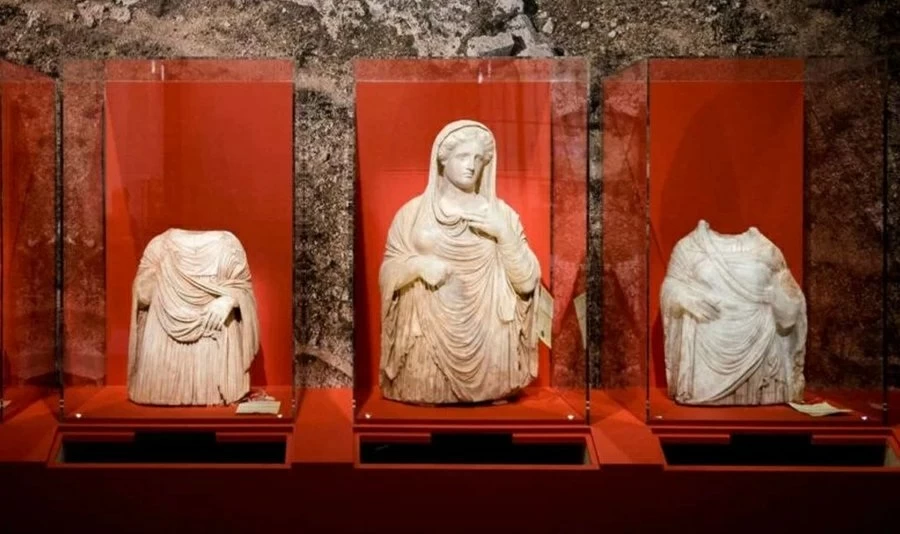
أعلنت المديرية العامة للآثار والمتاحف في سوريا عن استعادة 23 قطعة أثرية كانت معارة لفرنسا منذ نحو 15 عامًا، وذلك بالتزامن مع زيارة الرئيس الفرنسي إيمانويل ماكرون إلى دمشق (مساء أمس)، في خطوة تحمل دلالات ثقافية وسياسية لافتة.
وذكرت المديرية، وفق ما نقلته وكالة الأنباء السورية (سانا)، أن معهد العالم العربي في باريس أعاد القطع التي استعارها عام 2011 للمشاركة في عرضه الدائم المخصص لتقديم سرد بصري لحضارة العالم العربي، إلى جانب قطع أثرية من دول عربية أخرى.
ووصلت المجموعة إلى المتحف الوطني بدمشق برفقة وفد رسمي يضم رئيسة المعهد، في لحظة وصفتها المديرية بأنها «ذات أهمية خاصة»؛ نظراً لكون عملية الإعادة كانت مقررة عام 2014، لكنها تأخرت بسبب ظروف الحرب وعدم توفر بيئة الحفظ الآمنة.
قطع أثرية متنوعة وفريدة
وتضم المجموعة قطعاً تعود إلى فترات زمنية تمتد من عصور ما قبل التاريخ حتى العصور الإسلامية؛ من بينها تمثال لمجي ماري من تل الحريري/ماري، وقطعة تحمل كتابات صفائية، وجزء من إفريز تدمري يصوّر رحلة صيد، ونقش غائر باللغة التدمرية. كما تشمل أجزاءً من لوحات فريسكو ملونة من قصر الحير الغربي، وحشوة باب مزخرفة بنقوش نباتية من قلعة جعبر في الرقة، إلى جانب قطع أخرى ذات قيمة فنية وتاريخية.
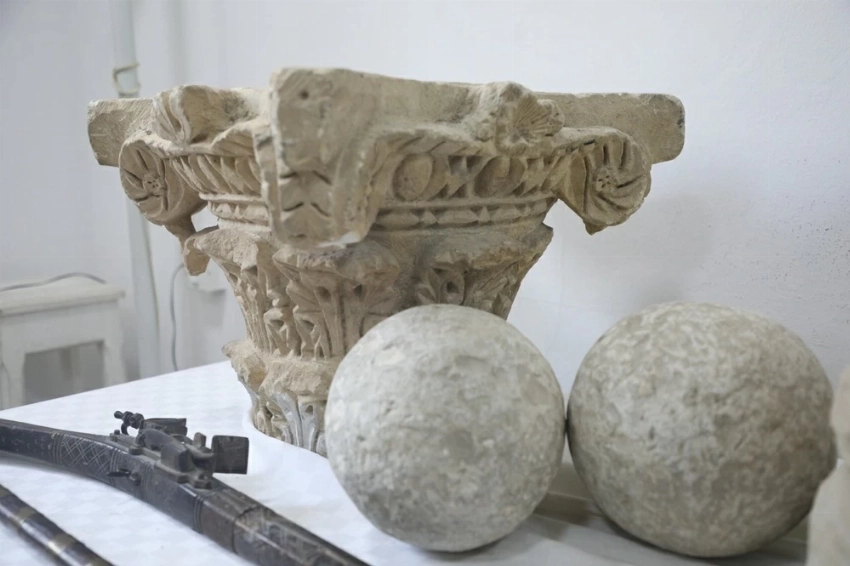

وأشارت المديرية إلى أن أهمية الحدث تكمن في عودة هذه القطع «بعد التحرير وعودة الأمن والأمان إلى سوريا»، مؤكدة أن استعادتها تمثل خطوة جديدة في مسار إعادة إحياء التراث السوري وحمايته بعد سنوات الحرب.
The General Directorate of Antiquities and Museums in Syria announced the recovery of 23 artifacts that had been loaned to France for about 15 years, coinciding with the visit of French President Emmanuel Macron to Damascus (yesterday evening), in a move that carries significant cultural and political implications.
The directorate mentioned, according to what was reported by the Syrian News Agency (SANA), that the Arab World Institute in Paris returned the pieces it had borrowed in 2011 for its permanent exhibition dedicated to providing a visual narrative of Arab civilization, alongside artifacts from other Arab countries.
The collection arrived at the National Museum in Damascus accompanied by an official delegation that included the head of the institute, at a moment described by the directorate as “of special importance”; as the return process was originally scheduled for 2014, but was delayed due to the circumstances of war and the lack of a secure preservation environment.


Diverse and Unique Artifacts
The collection includes pieces that date back to periods ranging from prehistoric times to Islamic eras; among them is a statue of Maji Mari from Tell Hariri/Mari, a piece bearing Safaitic inscriptions, a part of a Palmyrene frieze depicting a hunting scene, and a bas-relief in the Palmyrene language. It also includes parts of colored fresco panels from the Qasr al-Hayr al-Gharbi, and a decorated door filling with floral engravings from the Qala’at Ja’bar in Raqqa, alongside other pieces of artistic and historical value.
The directorate pointed out that the significance of the event lies in the return of these pieces “after liberation and the return of security and safety to Syria,” emphasizing that their recovery represents a new step in the process of reviving and protecting Syrian heritage after years of war.