










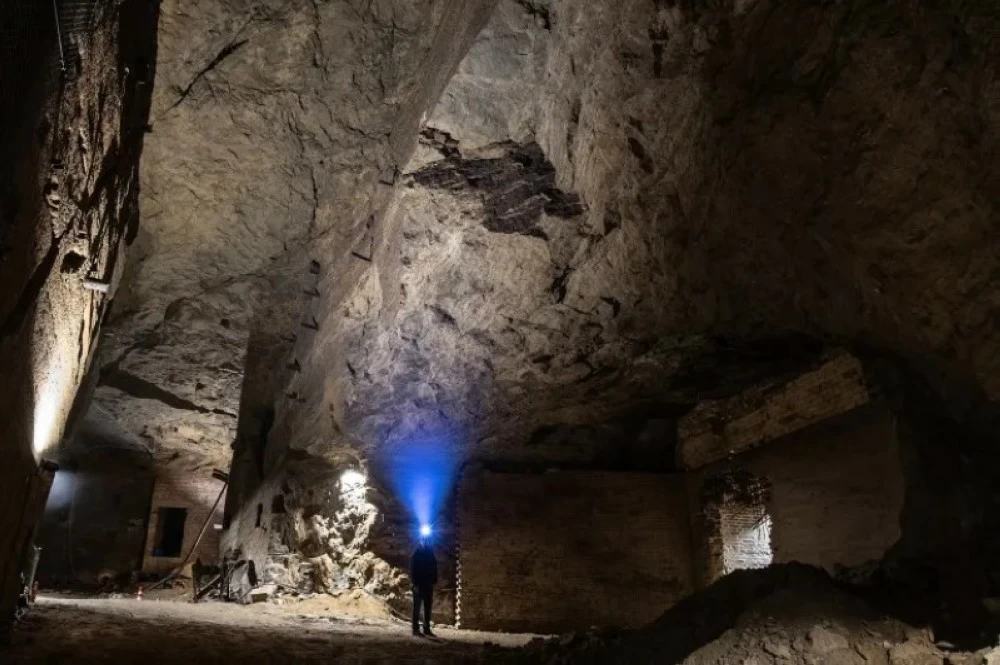
خلف شوارع برلين الصاخبة وواجهات المدن الألمانية الحديثة، تختبئ أنفاق ومخابئ سرية صُممت لحماية المدنيين من الغارات الجوية أثناء الحرب العالمية الثانية (1939-1945). واليوم، أصبح بإمكان الزوار استكشاف هذه الممرات الخرسانية الضخمة، لتجربة تاريخ الحرب كما لم يشعروا به من قبل.
- برلين: الغوص تحت 15 متراً من التاريخ
توفر جمعية «برلين تحت الأرض» جولات فريدة داخل أكبر المخابئ التي بُنيت أثناء الحقبة النازية. الجولة الأشهر، «من أبراج المضادات إلى جبال الأنقاض»، تأخذ الزوار عبر 3 طوابق من أصل 7، على عمق أكثر من 15 متراً تحت سطح الأرض، حيث تُعرض قصص المدنيين الذين عاشوا تحت القصف.
ولا تتجاوز درجة الحرارة داخل الممرات 10 درجات مئوية حتى في الصيف، ما يجعل ارتداء ملابس دافئة وأحذية مريحة أمراً ضرورياً. وتستغرق الجولة نحو 90 دقيقة، مع تذاكر تُباع بسعر 17 يورو.
- هامبورغ: مخبأ «برلينر تور» العميق
في شمال ألمانيا، تحت محطة مترو هامبورغ، يقع مخبأ «برلينر تور» الذي شيد عام 1940 على عمق 11 متراً، وجدرانه بسماكة مترين. وكان المخبأ ملاذاً لنحو 800 شخص أثناء الغارات الجوية المدمرة لعام 1943، في عملية «غوموراه».
والجولات هنا محدودة العدد، وتشرف عليها جمعيات توثيق الحرب، وتتيح للزوار تجربة الحياة تحت الأرض كما عاشها المدنيون. ويعتبر الوصول سهلاً عبر المترو، والرحلة من برلين تستغرق نحو ساعة و45 دقيقة.
- بون: مخبأ الحكومة وسر الحرب الباردة
وقرب بون، يقع في وادي آر متحف موقع توثيق مخبأ الحكومة في أهرفايلر، وهو جزء من مجمع ضخم يمتد 17 كيلومتراً من الأنفاق الخرسانية المتداخلة، بُني خلال الحرب الباردة. واليوم يمكن للزوار استكشاف نحو 200 متر فقط، تشمل غرف القيادة وأجهزة الاتصالات وتجهيزات الطوارئ كما كانت في الستينات.
ويبلغ سعر التذكرة نحو 15 يورو، مع خصومات للطلاب وكبار السن. ويُعدّ الوصول سهلاً من فرانكفورت أو كولونيا عبر القطار السريع، مع متابعة قصيرة بالقطار الإقليمي إلى أهرفايلر.
تجربة استثنائية
ويشيد الزوار بالرحلة على منصات مثل «تريب أدفايزر» و«غوغل»، معتبرين التجربة مهيبة وواقعية. فالأنفاق ليست مجرد مواقع تاريخية، بل ملاجئ دفاعية حقيقية أعادت للحياة معنى النجاة والصمود، وتسمح للزائرين بفهم مدى تأثير الحرب على المدنيين وأهمية الشجاعة اليومية في زمن الخطر.
ويمكن القول إن زيارة هذه الأنفاق ليست مجرد رحلة ترفيهية، بل رحلة ثقافية تغوص بك في أعماق التاريخ الألماني، لتروي قصة المدن التي ناضلت للبقاء والنهضة بعد الدمار.
Behind the bustling streets of Berlin and the facades of modern German cities, secret tunnels and shelters hide, designed to protect civilians from air raids during World War II (1939-1945). Today, visitors can explore these massive concrete passages to experience the history of war like never before.
- Berlin: Dive 15 Meters into History
The “Berlin Underground” Association offers unique tours inside the largest shelters built during the Nazi era. The most famous tour, “From Anti-Aircraft Towers to Mountains of Rubble,” takes visitors through 3 of the 7 floors, over 15 meters below the surface, where stories of civilians who lived under bombardment are showcased.
The temperature inside the tunnels does not exceed 10 degrees Celsius even in summer, making it essential to wear warm clothing and comfortable shoes. The tour lasts about 90 minutes, with tickets sold for 17 euros.
- Hamburg: The Deep “Berliner Tor” Shelter
In northern Germany, beneath the Hamburg subway station, lies the “Berliner Tor” shelter, built in 1940 at a depth of 11 meters, with walls two meters thick. The shelter was a refuge for about 800 people during the devastating air raids of 1943, in Operation “Gomorrah.”
Here, the tours are limited in number and supervised by war documentation associations, allowing visitors to experience underground life as civilians lived it. Access is easy via the subway, with a journey from Berlin taking about an hour and 45 minutes.
- Bonn: The Government Shelter and Cold War Secret
Near Bonn, in the Ahr Valley, lies the documentation site museum of the government shelter in Ahrweiler, part of a massive complex extending 17 kilometers of interlocking concrete tunnels built during the Cold War. Today, visitors can explore only about 200 meters, including command rooms, communication devices, and emergency equipment as they were in the 1960s.
The ticket price is about 15 euros, with discounts for students and seniors. Access is easy from Frankfurt or Cologne via the high-speed train, followed by a short regional train ride to Ahrweiler.
Exceptional Experience
Visitors praise the journey on platforms like “TripAdvisor” and “Google,” considering the experience awe-inspiring and realistic. The tunnels are not just historical sites, but real defensive shelters that have restored the meaning of survival and resilience, allowing visitors to understand the impact of war on civilians and the importance of daily courage in times of danger.
It can be said that visiting these tunnels is not just a recreational trip, but a cultural journey that immerses you in the depths of German history, telling the story of cities that struggled to survive and rise again after destruction.